
Taking farms is like handing out 747s and expecting cronies fly on behalf of SAA.
Why the shock? Wrapped up as apartheid’s big fix, again the ANC pushes land exploitation. Thirty years of messing about reduced most of the magnificent properties seized to scrub or dust and folk living on handouts. A few survive, with white advisors or just luck. Carry on and Zimbabwe’s plunge from Africa’s bread basket to begging for food aid shows exactly where SA is heading—straight to the UN’s soup kitchen line.
Shouting colonialism did this, they ignore the deeper historical truth that Sub-Saharan Africans were never farmers—it simply wasn’t part of their cultural evolution.
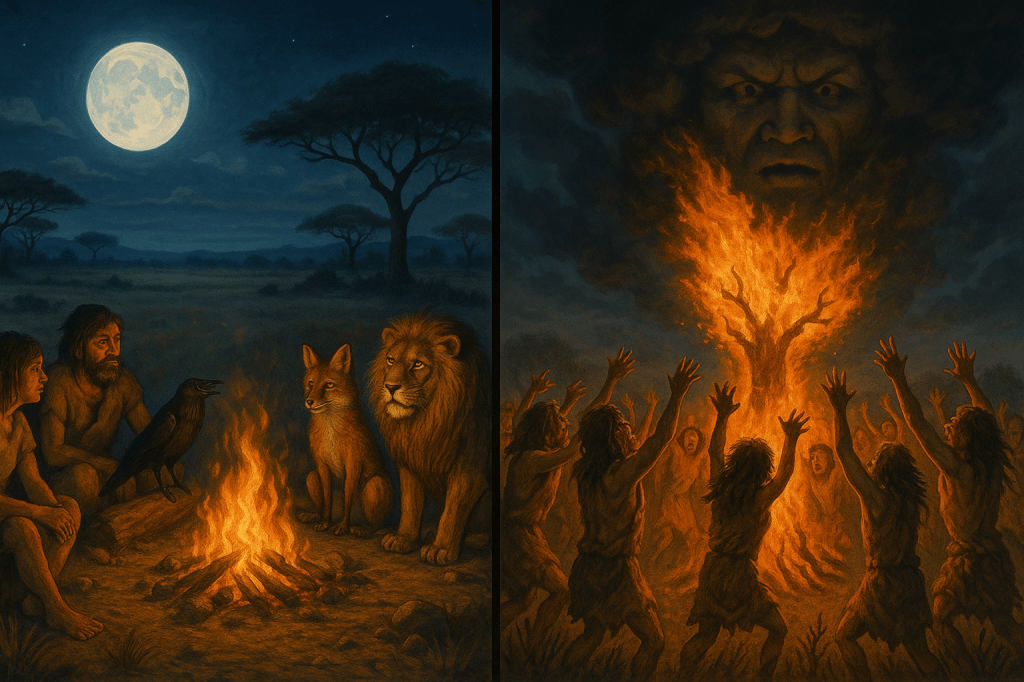
Renegade apes, we learnt scavenging under the quiet direction of vultures and hyenas, copied real hunters, and finally we took the top job. We lived off meat, and luckily we were good at it because, unlike other equatorial zones, Sub-Saharan Africa hadn’t much gatherable food.
As early as 250,000 years ago, tiny groups drifted north. Automatically they enrolled in what I called the Great Eurasian University; exams were held daily. Pass, you live; fail, you’re dust. It was tough—kill or be killed. Tame a wolf, figure out wheat, or you’re done. Failures they converted into lessons and successes were baked deep in their bones. A never-before-seen intellectual leap.
But what about those who stayed behind in Africa?
No rush—life was comfortable. No one sweats in the Garden of Eden. The impala bolts, so what? Here’s another. Figs drop ripe-good, wild pig like them. Sour plums stay sour, the marula’s not changed, and no one threw a rope on a zebra.
Living in the moment became deeply ingrained. Why milk a buffalo when Eurasian cattle, sheep, and goats—hand-me-downs from way back—trickled in before the Sahara turned desert 5,000 years ago? Herding was enough—planting? Not a chance. Sugar cane, wild oranges? Nobody touched them. It’s said that maybe 3,000 years ago, women in Nigeria planted sorghum at home to beat hiking in the heat for a handful, but planting a patch isn’t farming. Crop-growing demands planning months ahead.
The mindset just eat ’til it’s gone was in Rhodesia in the 1960s. 100 miles from a shop, I’d hear, “Potatoes finished, boss.” I’d say, “Why didn’t you tell me before I went to town?” “Yesterday not finished.” “Coffee, then?” “Can, boss—no sugar.”
Meat was different—wild game was always out there. With the larder full, why farm their own cattle? Those herds were the tribe’s bank, synonymous with African culture—not a business. When the Portuguese arrived in the 1500s with maize, cassava, and sweet potatoes from the Americas, plus cabbage, carrots, and peas from Europe, the gods confirmed cattle were indeed the wealth, the spirit of the tribe.
What the Portuguese planted to feed their crews, locals slowly copied; small plots popped up everywhere, but still they never embraced the planning and surplus mindset that makes farming truly sustainable. With van Riebeeck’s arrival in 1652, Europeans were soon using their farming skills throughout the Western Cape. When the British took over, market gardens bloomed in Durban-Pietermaritzburg and later PE and East London. Those Zulu and Xhosa who tried this ‘work’ idea took ideas home, grew a little, but the old patterns persisted.
Around the same time, in the 1830s, Afrikaners in the Cape and Natal bolted from British rules—the Great Trek into the interior was underway. Some black folk, tired of tribal life, joined as food-only labourers but went on to learn the works: herding, fixing gear, making replacement parts, farming stock, training oxen, road building, preserving meat for tomorrow—by comparison to home, high tech, visionary stuff.
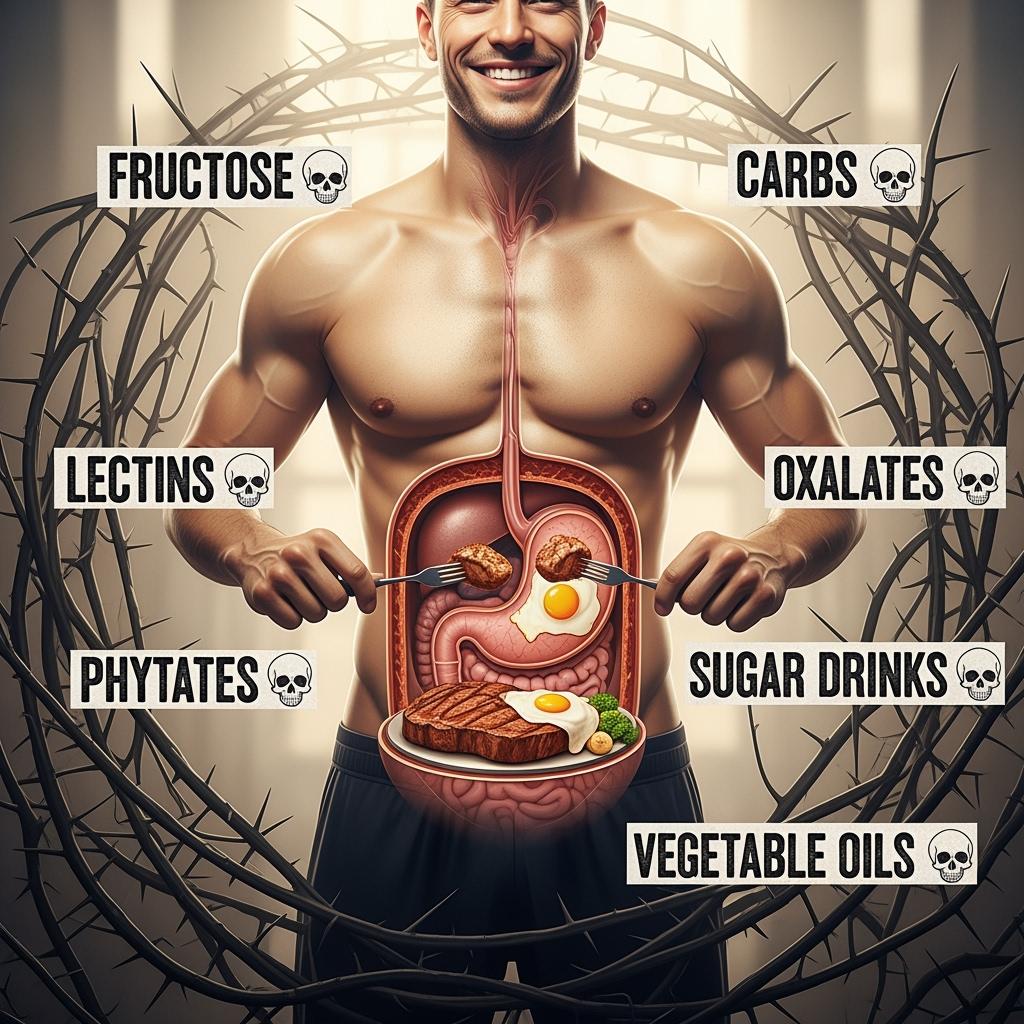
While whites fought, maize crept via Mozambique into Zululand and Zimbabwe, reaching the Matabele in time for their new king, Lobengula, to perhaps be Africa’s first high-profile carbohydrate victim! What isn’t speculation is the rush by Africans to swap from our ancestral dense, nutritious, meat-based diet to plants. Driving the change, the chant, “Save the cattle”.
Colonialization altered the map. First, the economic cycle that revolved around black Africans raiding one another was over. For the first time, each now had to produce its own. While whites didn’t end the vicious intertribal violence, their settlement of the vast unoccupied lands—the neutral ‘firebreak’ zones between tribes—effectively created buffers. The children born in 1850 would grow knowing everyone had hemmed everyone in. Each had either a barrier (an ocean, impenetrable Zambezi, or a desert) or a nearby neighbour at all compass points. The Garden of Eden was a Bible story—no more uninterrupted hunts for a week’s meat. The Portuguese maize saved their precious cattle.
Although maize was now widely planted, yields were terrible. The plant needed whites to get it “right,” and peasant farmers couldn’t get ‘it’ right. From the same household, a man’s wives would each hoe a small plot. A big acreage crop was being cultivated individually in a communal tribal setting! And they perpetuated the “no surplus, no plan, eat until it’s gone” culture.
Peace came with the 20th century. White farmers of Southern Africa saw the potential of commercial-scale maize for export, mainly into Africa, where the same skill deficiencies were playing havoc. One exception!
Those Afrikaner farms on which the Boer Wars had been fought—a significant chunk of farmable land—were politically forgotten and underfunded. They were progeny of the Trek Boer and the blacks with them were the progeny of the Africans who had been with them all the while, learning and becoming more like family. The story goes that when they suggested maybe maize could supplement the ranch, they became—possibly sub-Saharan Africa’s first—tenant farmers. Before they could make inroads, the 1930s Depression hit. Then Smuts geared up for war against Germany-South Africa industrialised. Being paid while learning was on offer. South Africa’s black farmer spark died there.
Sub-Saharan Africa’s closest shot at knowledgeable, learned black farmers, along with many of their white partners, forgot their tenancy agreements, unhitched the oxen, and took their considerable skills into the factories.
By 1946, urbanisation just a trickle, the black majority continued peasant farming techniques, relying on buying their shortfall from whites. Commercial farming had gone big and white: everywhere whites were honing their innate farming understanding: specialist farms produced whatever was in demand, no matter where it originated. The game reserve that was the Free State became a maize dust bowl. The machines roared, ripping up and consolidating vast lands. Mechanisation meant fewer apprentice farmer opportunities.
Rhodesia was a little different. Blacks had 40 years under white farmers before the war. They weren’t helped by the government’s post-WWII Black Education policy. Pushed were soft subjects (language, history, etc.) to the detriment of agricultural schools. By 1965, thousands of kids left school with certificates suitable for pen and paper jobs with little idea how a plough worked.
When industrialization pulled the few skilled black farmers into factories, it broke the fragile chain of agricultural knowledge transfer. Today’s land handouts ignore this lost generation of learning—the apprenticeship that farming demands cannot be skipped.
So the ANC hands out farms, expecting crops?
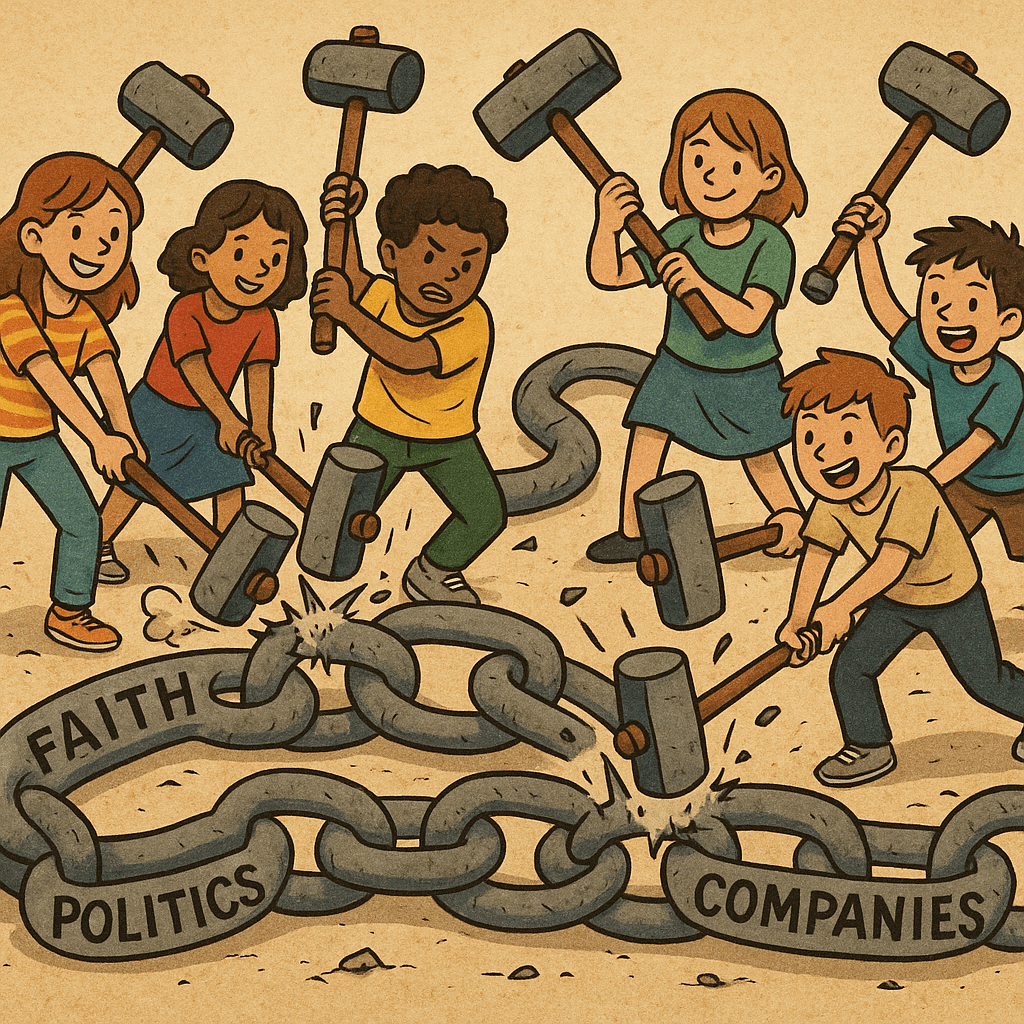
History laughs. Eurasians have dirt in their bones, millennia deep. “Just educate,” shout too many influential northern liberals. It isn’t just that they haven’t bothered to discover the history of non-farming in sub-Saharan Africa; they don’t appreciate how difficult it is to farm central and southern Africa. Having farming in your blood is not enough—whites struggled to adapt. They built the finest agricultural colleges, but that alone doesn’t do it. Get experts navigating from the back. They’re needed on farms, in the homelands, in factories, mines… everywhere! It is the reverse of dependency. It is gaining independence by learning through guided experience.
Fondly, I remember Mrs. McGregor, my Standard 3D (for strugglers) teacher. She’d ensure that moments before confidence-killing failure, she’d quietly step in and, without taking over, suggest I retrace my steps, rethink, and try again. Without her carefully timed interventions, I’d still be crying the ANC song, “I can’t-apartheid!”
There’s no solution in pretending our history doesn’t matter. With acceptance of shortcomings, people really learn and change. Mrs. McGregor knew it. The successful farmers knew it. Now we need to build it.




 Douglas Schorr
Leave a comment