
Life is opportunity. Outcome concludes it.
Hundreds of thousands of years ago, before refined language existed, Headmistress Eve taught her learner-human students that life was “a set of circumstances that makes it possible to do lots of things.” As Eurasians developed single words to encapsulate complex concepts, “opportunity” perfectly captured Eve’s description.
She illustrated this with a hunting scenario: a group stalking an isolated impala with twin kids—what a bounty—without an escape route. One hunter, Pimpi, patrolling the right flank, discovered a young warthog hiding in an antbear hole. “Now,” explained Headmistress Eve, “Pimpi must decide how best to pursue this opportunity. Whether he spears the exposed hindquarters or not will affect the group’s success and what they bring back for dinner.” This consequence we eventually called “outcome.”
“Handling an opportunity,” Eve continued, “often implies progress or benefit. But without the necessary skill—and luck—every opportunity has an equal chance of yielding an unfavourable result!” She concluded, “This is a natural law: opportunity plus skill equals outcome. This will remain true even if someday we meet the Man on the Moon!”
The children laughed, but they understood the harsh reality. While opportunities had to be sought and seized, outcomes depended entirely on skill. Pimpi’s father demonstrated this tragically—his casual approach to a lion cost him his life, while Grok, who rushed to help, now wears a lion-skin coat.
Food is vital to our existence, representing our earliest opportunity-skill-outcome cycle. When not hunting, we strategized around fires, acting out tomorrow’s hunt or painting sequences on cave walls. Afterward, mothers danced to demonstrate how they’d prepare the bounty brought home.
Eve’s teachings weren’t theoretical—they were survival imperatives. The earliest human groups developed elaborate skill-transfer systems. Young hunters practiced with around the home under the watchful eyes of the mums before graduating to larger games with real weapons. Girls began with gathering tasks, progressing to processing, preserving, and eventually cooking.
This ancient apprenticeship system recognized a fundamental truth: equal access to the savannah meant nothing without skill development. Those groups that emphasized skill transmission flourished; those that didn’t perished. Archaeological evidence shows this pattern clearly—some settlements thrived for generations while others vanished quickly, often separated by mere miles. The difference wasn’t opportunity but cultivated skill.
This truth carried through to settled agricultural communities. The same land yielded vastly different harvests based on accumulated skill in seed selection, planting timing, and cultivation methods. Villages with elders who transmitted these skills prospered; those without such knowledge struggled.
The pattern remains unchanged despite our technological advancement. From hunting-gathering to modern economies, what sustains us still comes from our “discretionary income.” Our dwelling locations were selected according to the nearness of food stocks, water and fire fuel, and we depended on our hunting ability; today, that’s all around the corner, and it’s our economic skills select opportunities that determine outcomes. Southeast Asian “coffee shops” illustrate this perfectly.
These establishments offer an amazing smorgasbord. Patrons take a plate, move along a line of steaming dishes, and pay from their discretionary income before eating. These venues host the widest imaginable range of diners: pensioners, welfare recipients, labourers, clerical staff, high-powered executives, and excited tourists with their dollars sharing tables.
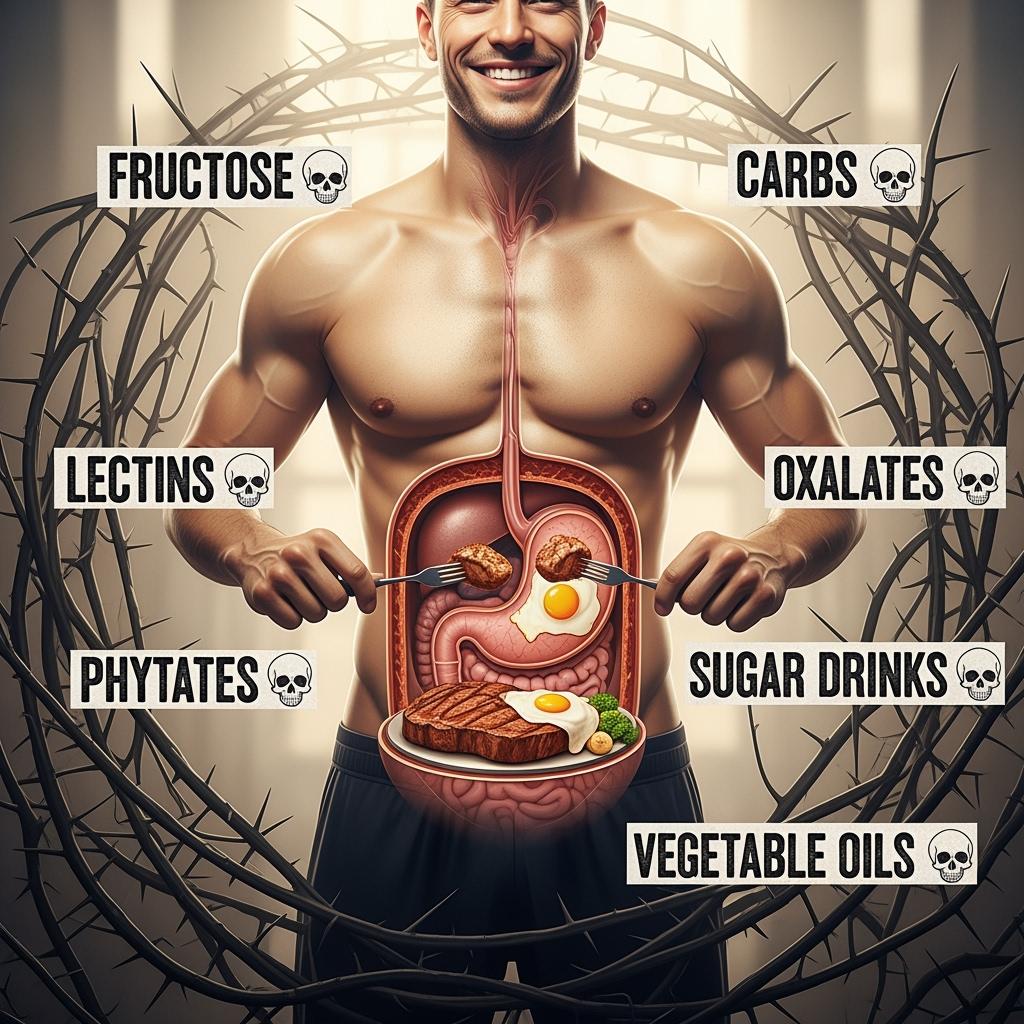
The opportunity is equal—a full stomach guaranteed—but skill makes the difference. Knowing what to select for health and managing finances determines the outcome. A CEO might consume protein-and-fatty meat and eggs, while a labourer decides he can afford only cheap rice, vegetables, and mere traces of protein and fat.
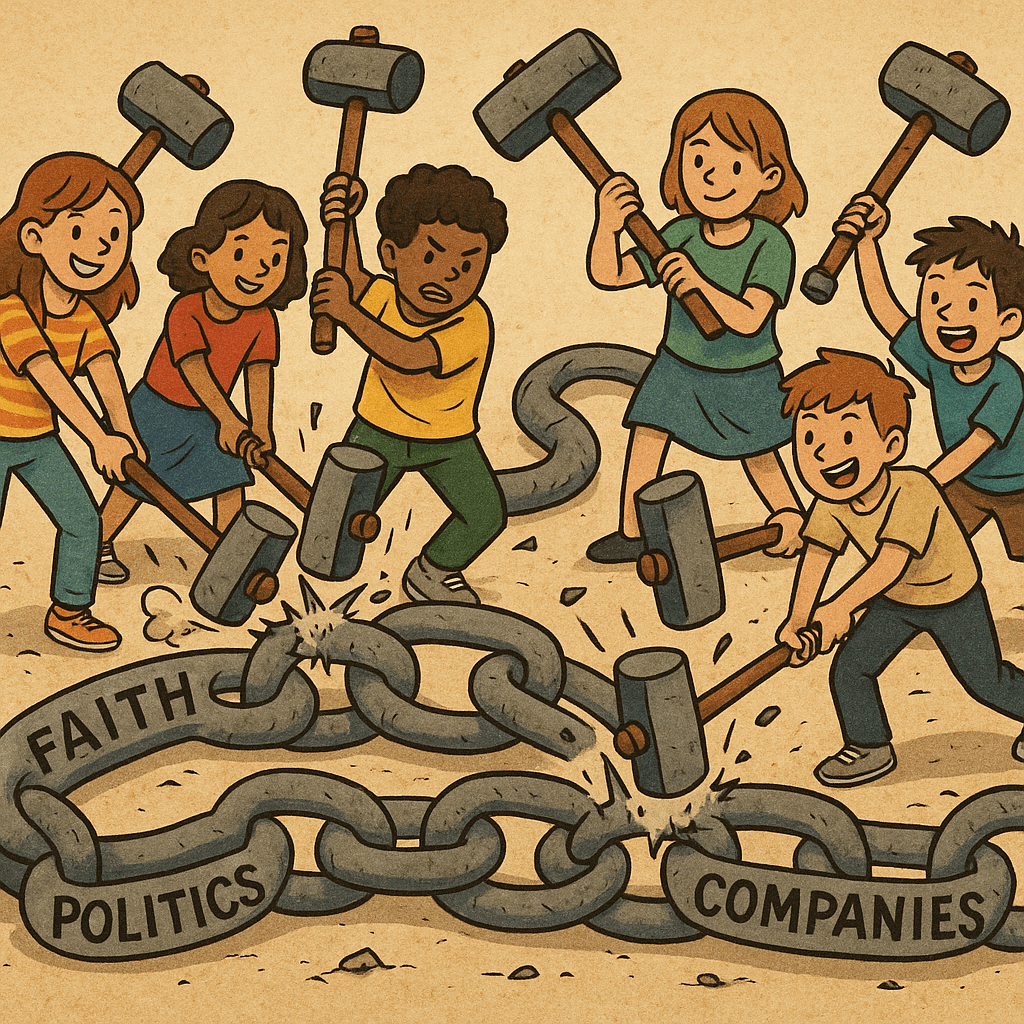
This disparity stems from choices made across generations. Though the Woke demand it, it isn’t the government’s role to force the CEO to exchange half his plate for half the labourer’s. Yes, this intervention—the forced redistribution of outcomes rather than expansion of skill—still forms the core of many modern political movements.
Those who demand “equal outcomes for all” are pushing society toward another disastrous USSR experiment. History offers numerous cautionary tales: Cambodia’s Khmer Rouge pursuit of equality resulted in mass starvation; China’s Great Leap Forward created history’s largest famine and devastated its entrepreneurial class; Tanzania’s ujamaa villages and Israeli kibbutzim eventually abandoned strict equality of outcome. Venezuela’s experiment transformed Latin America’s wealthiest nation into one of its poorest in just two decades.
Nordic countries taxed successful outcomes while maintaining highly competitive market economies, but not in any attempt to equalize outcomes. Rather, they seek to better educate, train and guide everyone—all who want it—to seek out better, nation-building opportunities.
Indeed, from our earliest learner human days, the duty of every higher-performing individual is not to surrender their outcomes but to help others develop better skills, ensuring they convert opportunities into superior outcomes themselves.
“Discretionary” expenditure perfectly illustrates our formula: opportunity (money earned) plus skill (financial decision-making) equals outcome (what enters your home and life). Financial literacy—delaying gratification, distinguishing between assets and liabilities, and understanding compound growth—is perhaps the most crucial modern skill. Yet it remains largely untaught.
Two individuals on identical career paths will experience dramatically different trajectories based on this skill. One purchases depreciating status symbols—smartphones, fashion, vehicles—while another invests in education, productive assets, or enterprise. Within a decade, their outcomes diverge dramatically. It is a pattern that repeats across generations.
The financially skilled parent transmits this critical knowledge. Their children inherit both tangible assets and financial discernment. Meanwhile, the unskilled consumer passes down only patterns of consumption.
This isn’t about moral judgment but natural consequence. The solution isn’t redistributing outcomes but teaching this fundamental survival skill—connecting opportunity to outcome through skill. Just as Headmistress Eve would have taught it.




 Douglas Schorr
Leave a comment