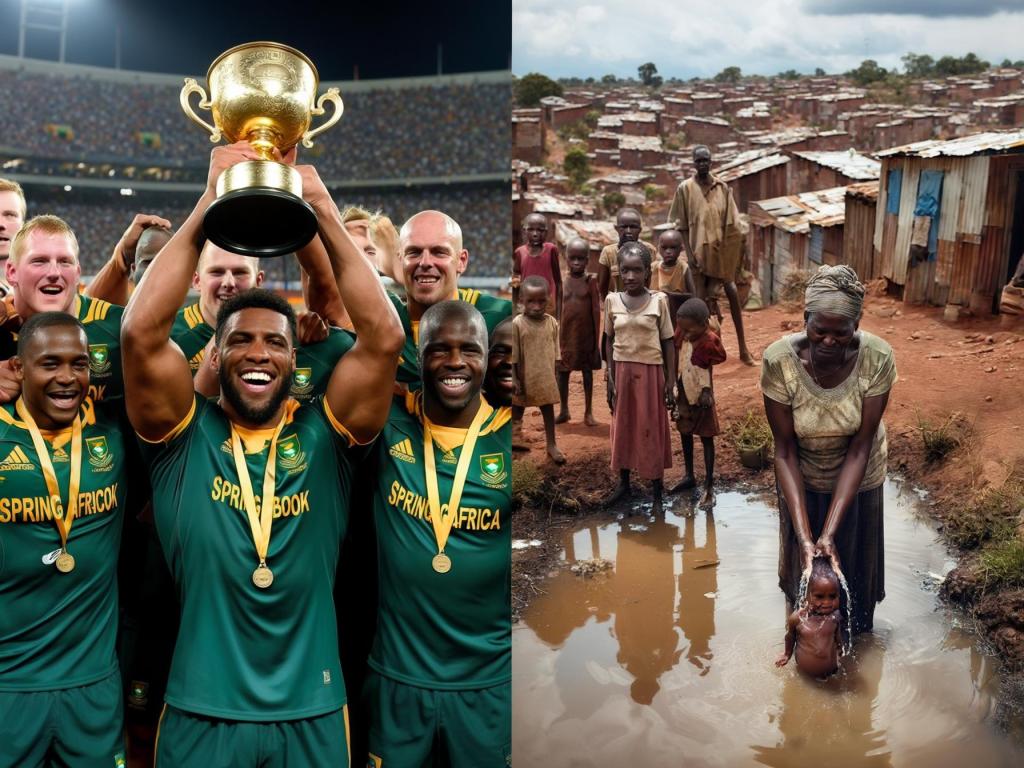
A Springbok jersey can’t cover a broken country.
Vincent Tshituka’s Springboks call-up is the stuff of dreams—a black kid from the DRC, now a national rugby hero in a country that worships its ‘Boks. It’s a poster-boy moment. Proof, they say, that South Africa has come a long way since apartheid.
Or has it?
Scratch the surface, and the rainbow was never real. The ANC made sure of that. While Tshituka chases international glory, millions of black South Africans still chase the basics. Half the country is unemployed or underemployed, surviving in the informal sector. Their dreams remain locked behind a flimsy tin door in a squatter camp or inside a crumbling RDP house—miles from where the jobs, schools, clinics, and shops should be.
What happened?
Rewind to the 1950s. “Separate development” was gaining momentum. What began as a trickle in the 1930s under Prime Minister Field Marshal Smuts had become a flood. Black South Africans were leaving behind a rigid, brutal, autocratic tribal life for the sharp hustle of urban opportunity.
And here’s the irony: apartheid didn’t invent this migration—it accelerated it. Smuts had built townships with houses, clinics, and schools to support industrial growth. When Malan and his Bible-waving successors mimicked the U.S. segregation model and tightened controls, the private sector—rooted in what would later become the DA—expanded opportunity further.
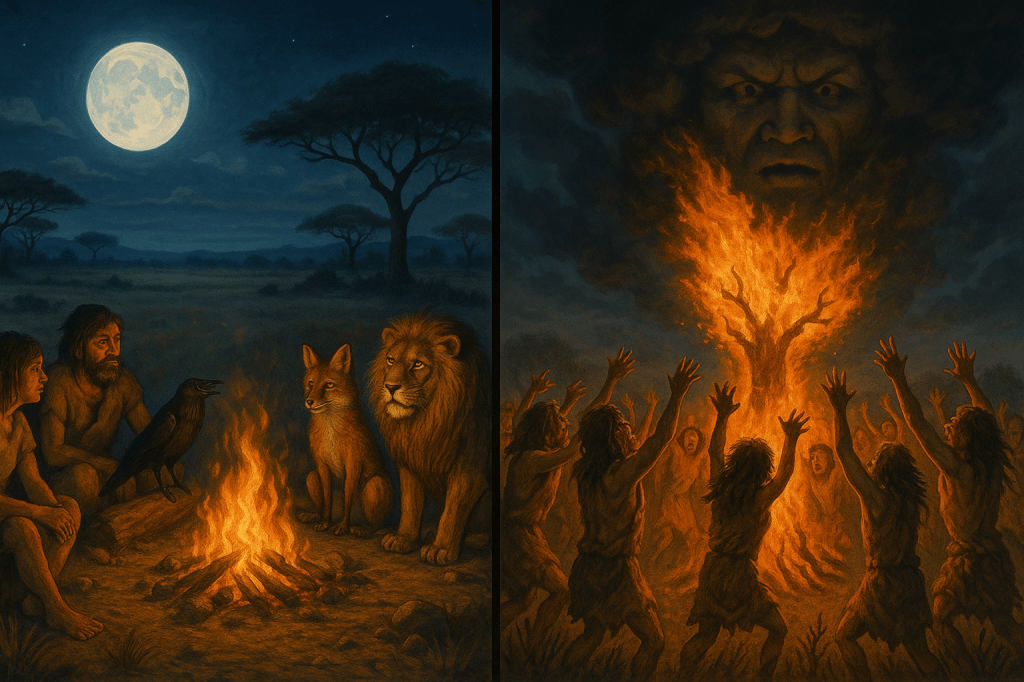
The cities didn’t just attract South Africa’s dozen major tribal identities. People came from Malawi, Zambia, Tanzania, Nigeria and beyond. Because even under white rule, South Africa offered what tribal systems never had: freedom of choice, of speech, and of opportunity.
For the first time, the majority could earn real wages for real work. Performance was rewarded. They could spend their money how they saw fit. They discovered toilets, taps, textbooks—and that most teachers, nurses, and clerks (trained in apartheid-era institutions) spoke their language.
The informal sector was vibrant—food stalls, DIY repair kiosks, bicycle mechanics, traditional healers, and charm sellers. It was a living, breathing marketplace. As for the pale people? They lived elsewhere. You met them only as foremen or managers—always rushing somewhere, ruled by their watches.
For most, it wasn’t a step up. It was an elevator out of history and into modernity.
2025: The Jersey and the Shack!
Today, Tshituka wears the green and gold—SA’s pride, SA’s flag, SA’s multi-language anthem. Alongside Siya Kolisi and a rising generation of black players, he represents the new face of South African rugby. A symbol of possibility.
But symbols don’t create jobs. They don’t build clinics. They don’t shout, “10,000 competent workers wanted.”
While rugby celebrates excellence and unity, government debt spirals, unemployment deepens, municipalities collapse, and squatter camps spread. Under ANC rule, much of what was built under apartheid for the working majority has quietly been dismantled—for all but the top 15%.
The ANC’s focus? Changing names. Take beautiful Port Elizabeth—built from scratch in the 1820s, declared a city in 1913. At great cost, it became “Gqeberha” in 2020. In honour of what? That settlers taught locals to read and write their own language?
The rot began before 1994, when the ANC bussed in thousands to sway the vote. After the election, the buses vanished—but the people remained. No homes. No jobs. Just hope—and its bitter cousin, disillusionment. By 2020, over 13% of South Africans still lived in informal settlements. Most of the Homeland areas are beyond reclamation. More than half the population relies on government grants. Two-thirds scrape by with constrained access to water, energy, and opportunity. Even the so-called middle class—often buried in debt and inflated public salaries—is struggling to stay afloat.
This isn’t transformation. It’s regression.
Like the renaming of Gqeberha, the climbing GDP figure is just a distraction. “See?” they shout.
Rugby has a playbook. Where’s the one for jobs?
We celebrate Tshituka’s story because it’s real. It shows what happens when talent meets structure, coaching, and long-term investment.
Rugby has a playbook—why doesn’t the country?
Where’s the ticker-tape parade for welders, electricians, or nurses? Rugby scouts talent, mentors it, disciplines it, and turns it into performance. Why isn’t anyone doing that for plumbers, teachers, or township entrepreneurs?
What happened to the independent states of Transkei, Bophuthatswana, Venda and the Ciskei, built on South Africa’s most fertile land? Nothing. Like the ANC, they rot in limbo.
There’s no plan. No navigators pointing the way for the nation’s drivers. No academies. No coaching teams. No national pipelines to match people with their potential.
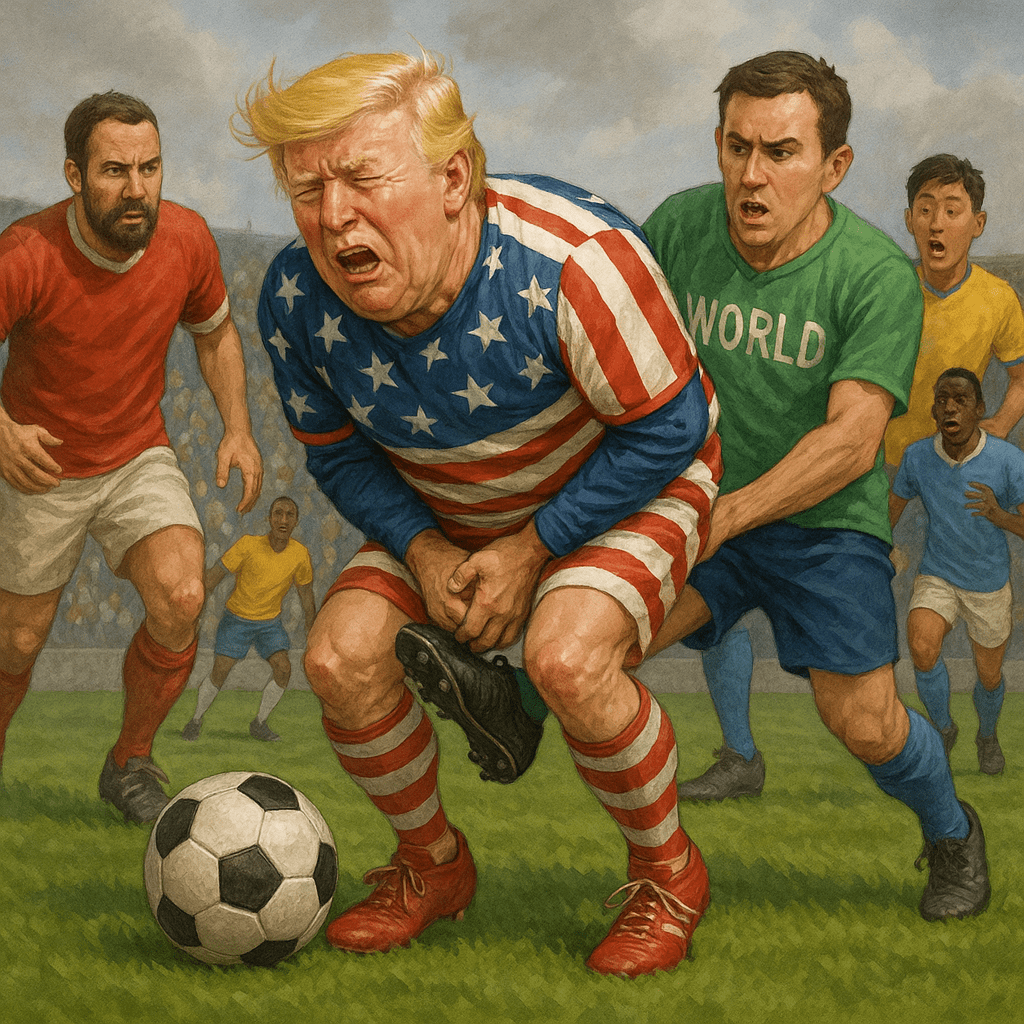
The ANC has no playbook. Worse, the Western woke crowd keeps clapping for failure. “You don’t need help,” they say. “You’ve got this. In an African way.”
Really? Is that what R700 million for a “national dialogue” buys?
It’s time for SANNA: South Africa’s New National Army—a bold but practical blueprint for national rebuilding. Conscript every high school, college, and university graduate into a two-year national service programme—not with rifles, but with classrooms, workshops, and real coaching. A rugby academy for life.
Train young adults to be homemakers, labourers, assistants, artisans, and technicians. Teach them to build, repair, teach, plant, sell, serve.
Tshituka’s jersey proves what South Africa can achieve when it takes itself seriously. Now we need that same focus, planning, and coaching—across the country.
Give them pride. Give them purpose. Teach them how to flip the R20-a-day welfare trap into a R20-a-day contribution to the economy—and the dignity that comes with it.
Let them stand tall—not just at the ballot box or in a protest—but in a modern workplace. As Shaka’s warriors once stood tall, these must stand up as citizens of a capable state.
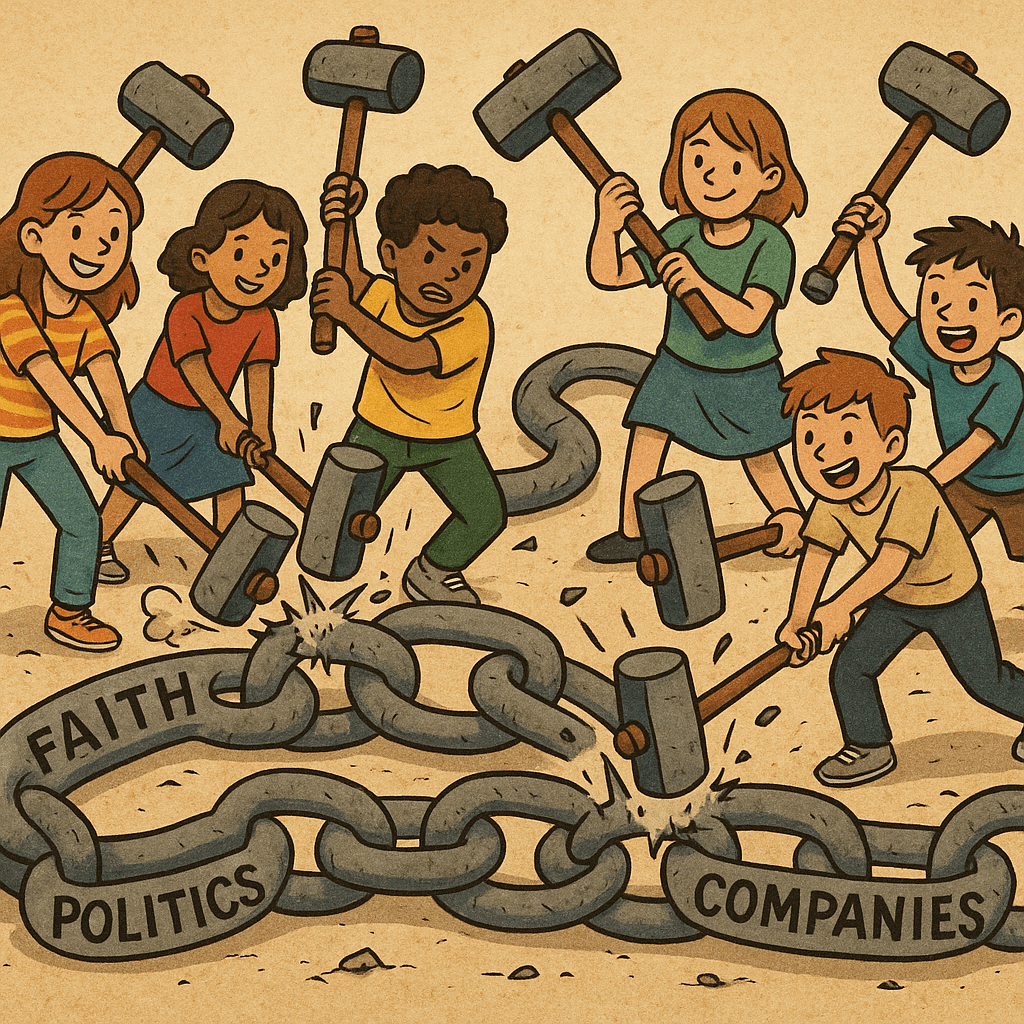
Old man Ramaphosa and his cabinet cronies are still tangled in the chains of tribe and the struggle of change. Too proud to accept what they inherited, too lost to build something new.
It’s your turn now, kids.
You need mentors with a map to goals. You need coaches, not comrades. You need structure, direction, and purpose—not slogans.
Stop building stadiums for dreams that millions never get to live.
Build something better. Build SANNA so millions can earn the Springbok Workers’ jersey.




 Douglas Schorr
Leave a comment