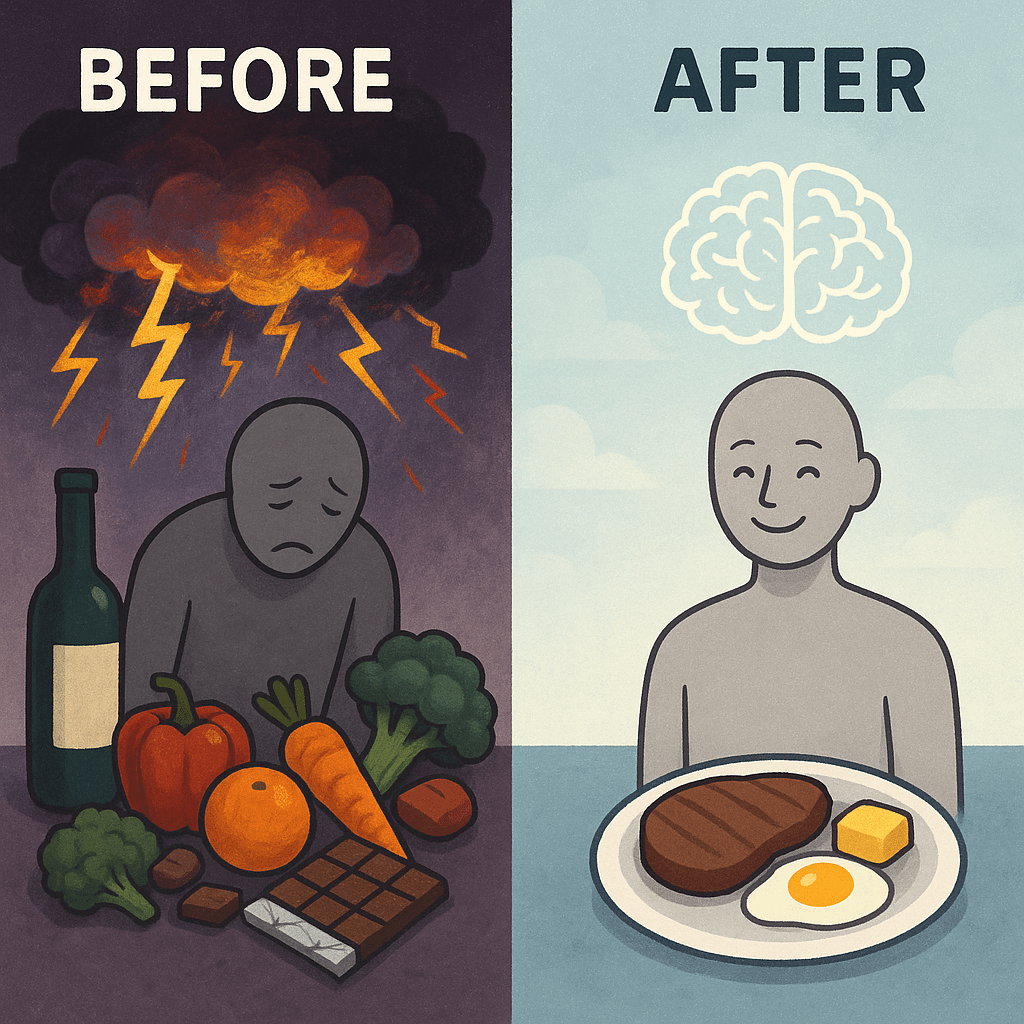
Addiction ruled—until steak, eggs, and butter set me free.
Twenty years ago, I was losing a war I’d been fighting for three decades—against alcohol and cigarettes. Patches, gum, distraction, pure grit—I tried them all. Nothing stuck. Then one day, survival threw me a line. “Now or never.” I quit drinking cold turkey.
Just weeks later, after sucking sweets and chomping on fruit to dodge the urge, I hit another wall. “No more,” whispered deep inside me. I stubbed out the cigarette and never picked one up again.
But the cravings? They didn’t quit me.
Chocolate. Coffee. Fruit. Deep-fried buns hollowed out and filled with honey. They had me on a leash. They were the crutches I didn’t even realize I was leaning on. And in a way, they were just as gripping as the bottle or the smoke.
Then I went carnivore.
From Craving to Clarity
Within weeks—eating nothing but meat, eggs, and butter—I felt it. The shift. I was no longer white knuckling my way through temptation. I didn’t need chocolate. Fruit lost its shine. Coffee stuck around as a morning habit, but without the cream it rode in on, even that lost its grip. I could go without it for months, like now—no withdrawal, no pining.
And here’s the part I didn’t expect: I wasn’t even trying. This wasn’t willpower. This was something deeper—a peace between my brain and my belly.
The decision wasn’t coming from some moral high ground or a new strategy—it was just *gone*. The craving, the urge, the loop—it disappeared. And I was finally in the driver’s seat. Well, my **mind** is.
I still have the occasional slice of plain cheesecake, but it’s a conscious decision. I bought a piece yesterday, but once home, the idea gave way to a yearning for dinner—thick lamb soup, steak, and eggs fried in tallow. The slice is still in the fridge.
Carnivore Breaks the Loop
Addiction isn’t just a psychological struggle. It’s biochemical. And most of us are unknowingly feeding it every single day.
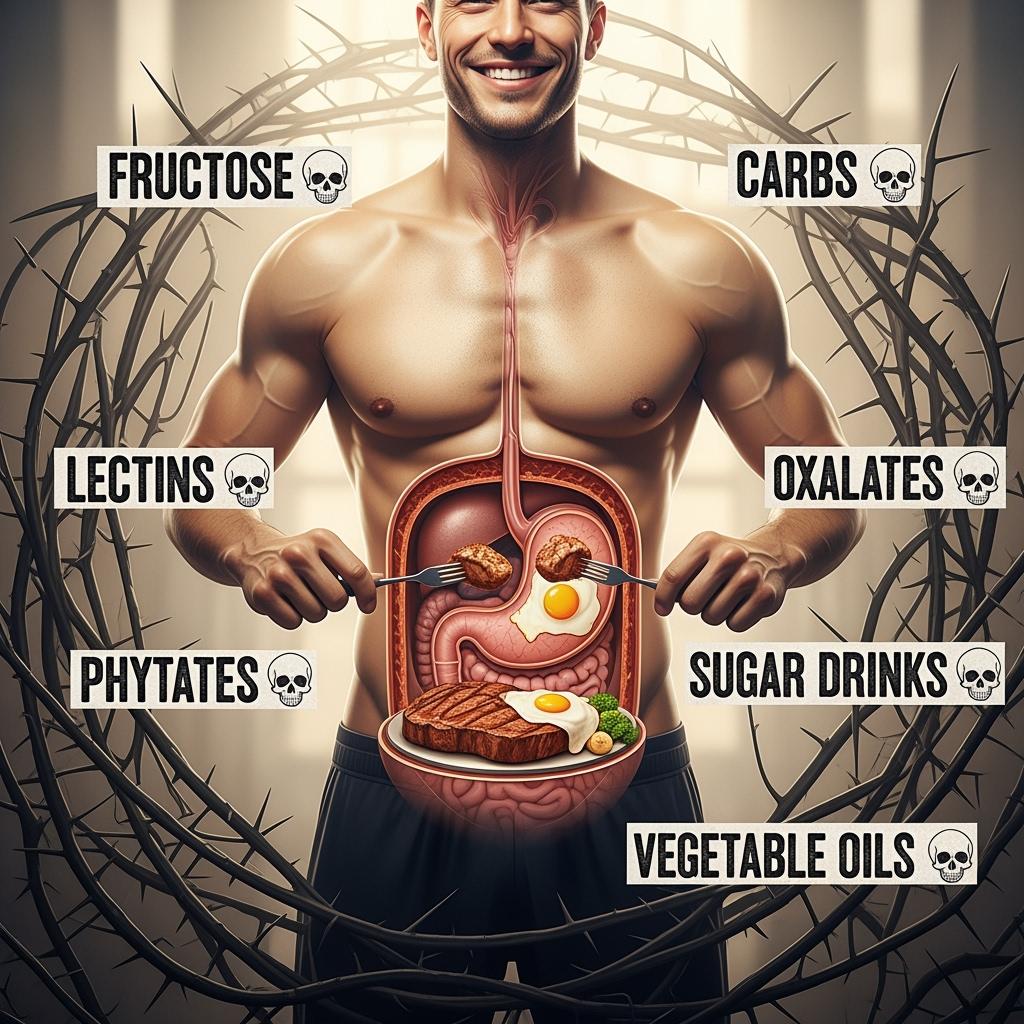
The Standard American Diet (SAD)—rich in sugar, seed oils, and refined carbs—isn’t just bad for our waistlines. It rewires the brain’s reward circuits, supercharging dopamine spikes and then crashing them. The result? A compulsive cycle of needing more for less satisfaction. Craving, reward, crash, repeat. Classic addiction physiology.
When I stripped that out—when I went 98% carnivore—I wasn’t just changing my food. I was changing the inputs into my neurochemistry. I was giving my body the quiet it needed to stop screaming.
Here’s how it works:
Steady Blood Sugar: No more spikes from fruit, buns, or chocolate. Just stable, slow-burning fuel. No crash means no cravings.
Brain Fuel Shift: Ketones from fat-fed eating give the brain clean-burning energy—better than sugar’s jitters and fog. Mental clarity goes up, impulsivity goes down.
Nutrient Sufficiency: Real food means real nourishment—B12, zinc, omega-3s. No more junk cravings to plug the gaps. And the body uses 95% of what you put in. There’s very little waste.
Gut Reset: Junk food feeds the bacteria that hijack your hunger and mood. Carnivore starves them. The internal instruction—“Eat that bun!”—vanishes.
This wasn’t a diet. It was a reset. A grab at a few last years of bounding life!
The Cream in the Coffee
One small moment told me everything. Coffee was my morning hug. I knew it wasn’t the caffeine I wanted so much as the cream—the fat, the comfort.
When I cut the cream to trim my waistline, the coffee lost its appeal. It dropped without a struggle, so easily that I realized it was just my “to-do” thing. I get up super early, and it was fun: switching on the light, busying myself in the kitchen, being quiet while thinking, “Ha, they’re in bed and I’m making coffee with loads of cream!”
That was metabolic calm.
Could I Have Quit Earlier?
It haunts me. I wonder: if I’d found carnivore 40 years ago, would I have been able to quit booze and smokes sooner?
Science says it’s not wishful thinking. There’s real evidence now that metabolic health and addiction resilience are deeply linked. When your brain isn’t crashing from sugar, when your gut isn’t inflamed, when your nutrients aren’t depleted—you’re not fighting on three fronts.
You can focus. You can feel. You can choose—or rather, your mind knows you, and it kicks in.
The SAD Setup: Why Most People Can’t Quit
Sugar’s a drug. It is highly addictive: refined carbs and fructose light up your brain like cocaine. SAD is packed with them.
Seed oils inflame the brain. They mess with your mood and decision-making.
You’re always hungry. Low-fat, low-protein meals passed through my system so fast, there was a perpetual empty feeling that had me reaching for more.
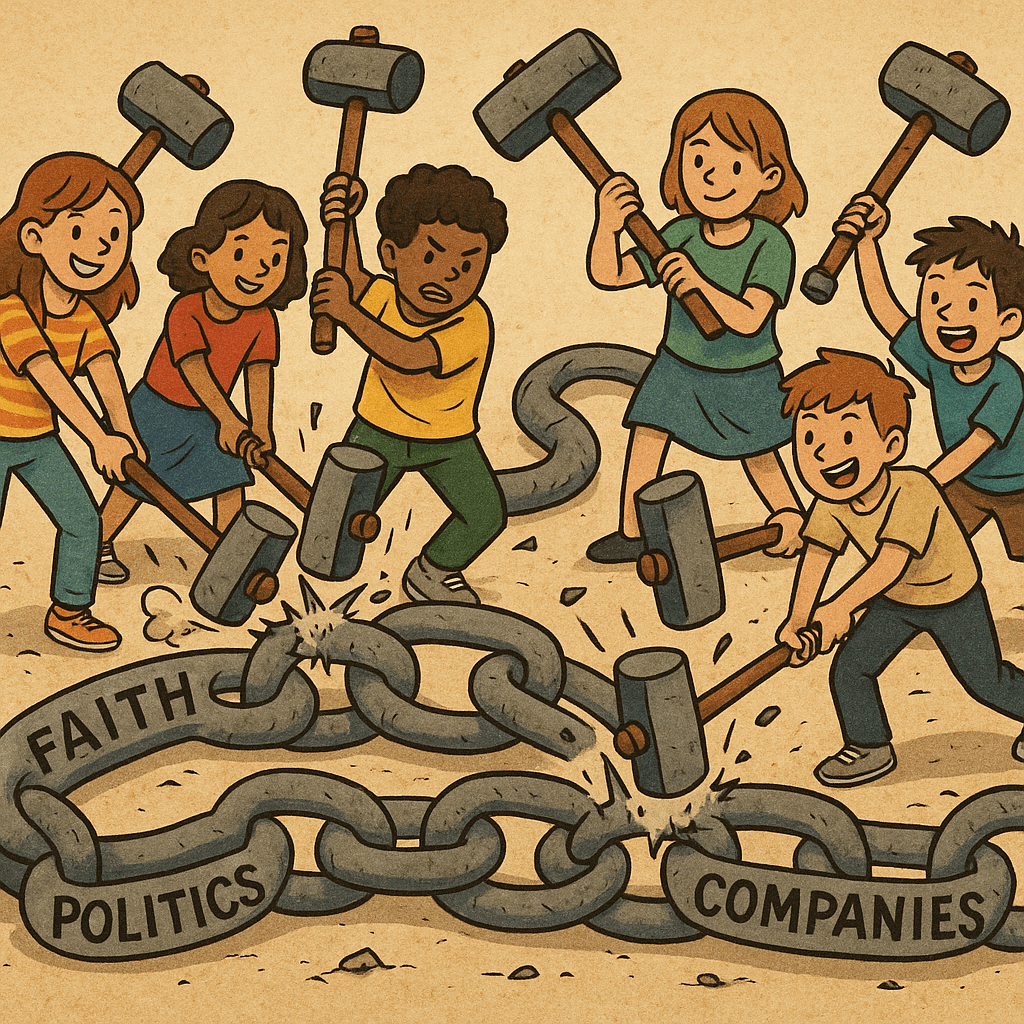
SAD doesn’t just make you fat. It makes you dependent. You’re not weak. You’re wired to want more. And industries profit from keeping you that way.
Living Proof
I’m 76 now. And I’m free.
Alcohol and cigarettes were long gone. But it was the shift to animal foods—the simplicity of steak, eggs, and butter—that ended the craving cycle for good. I don’t “resist” sweets. I just don’t want them. Chocolate, fruit, honey-slicked buns? Gone. Not missed. Coffee? A guest, not a boss.
My brain is calm. My choices are mine. I’m not yanked by sugar highs or dopamine hits. I feel rewired.
Young adults, listen up: your cravings aren’t you—they’re your diet talking.
Swap SAD’s junk for what is natural, the fuel that fits our evolutionary design. Humans would never have settled in a place unless it had the carnivore’s basics. I can’t think of a country that doesn’t have its version of steak, eggs, and butter.
The problem is, they’ve also got a stock market that only stays open if it shows “growth.” Logically, it follows that to the food and drug industries, the medical system, and the banking fraternity, **you** are the consumer they need to keep demanding, “Give me more.”
Ultimately, humans are more valuable sick.
Young or old, your cravings aren’t your fault. They’re your inputs. They’re the result of a system—biological, cultural, commercial—designed to keep you hooked.
Freedom isn’t just possible—it’s biochemical.





 Douglas Schorr
Leave a comment