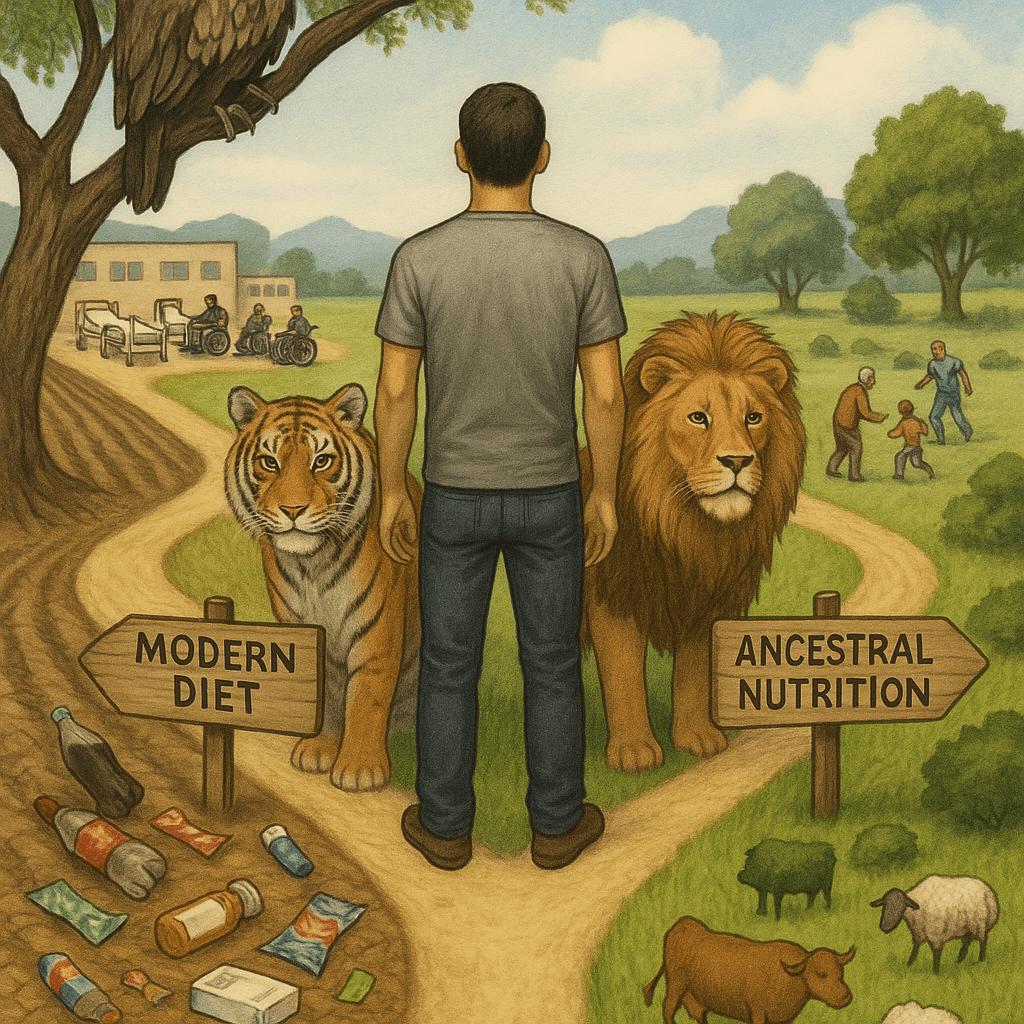
Testosterone, dementia, autism and ADHD, depression share a common thread
Throughout our series on brain health—from dementia to ADHD and autism, from prenatal development to adolescent mental health and the compromised thinking of folk with low testosterone—one fundamental truth emerges: the human brain operates optimally when fuelled according to its evolutionary design.
We’re not unique; the principle applies to our cousins the Great Apes, fish, antelope, snakes, crocodiles, birds and bees—all life. Try giving a plant a mouthful of zero carbon and see where we will be!
What we’re witnessing aren’t separate, unrelated disorders but different manifestations of the same problem: brains starved of proper building materials while bombarded with inflammatory compounds. The age and genetic susceptibility determine which “condition” manifests, but the root cause remains consistent.
The Universal Mechanisms
Several key mechanisms appear consistently across conditions:
1. Metabolic Dysfunction
When our bodies run primarily on glucose rather than ketones:
Blood sugar volatility disrupts neurotransmitter balance: High-carbohydrate diets create dramatic glucose swings. Each crash triggers stress hormones and neurotransmitter imbalances, manifesting as anxiety, irritability, and brain fog.
Insulin resistance blocks efficient glucose utilization. Consistent high glucose exposure makes brain cells resistant to insulin’s effects. The brain becomes energy-starved despite abundant glucose in the bloodstream.
Glycation damages neural structures: Excess glucose molecules attach to brain proteins, creating advanced glycation end products (AGEs) that contribute to inflammation and neurodegenerative diseases.
Mitochondrial function declines: The brain’s energy factories run more efficiently on ketones than glucose. Ketones produce more energy with fewer damaging free radicals.
2. Structural Compromise
Our brains are approximately 60% fat. Consuming the wrong fats leads to:
Rigid cell membranes: Think of each brain cell with a flexible outer skin. The right fats keep this membrane fluid like a water balloon; wrong fats make it stiff like plastic wrap.
Improperly developed myelin sheaths: Myelin is insulation on neural wiring. This fatty coating allows thoughts to travel at high speed. Poor-quality fats create thin, patchy insulation—like frayed wires causing shorts.
Impaired synapse formation: Synapses are bridges where brain cells connect. Built from fats and proteins, these connections form networks. With inferior materials, your brain struggles to form strong connections.
Abnormal neurotransmitter reception: Neurotransmitters are messenger molecules between cells. Their receivers are embedded in fatty cell membranes. Wrong fats cause malfunctioning receivers—like phones dropping important calls.
3. Inflammatory Assault
Modern diets trigger inflammation through:
Seed oils creating oxidative stress
Processed carbohydrates activating inflammatory responses
Plant anti-nutrients damaging gut integrity
Food additives disrupting the microbiome
4. Nutrient Deprivation
The brain requires specific nutrients concentrated in animal foods:
DHA and EPA for neural membranes
Complete protein for neurotransmitters
Cholesterol for synapses and hormones
B vitamins and bioavailable minerals
These nutrients must cross the blood-brain barrier. Our digestive system is designed to extract these brain-essential nutrients from animal foods. When relying on plant foods, our digestive tract struggles to convert them into the precise building blocks our brains need.
This mismatch often leads to intestinal permeability (“leaky gut”), where partially digested plant proteins damage the intestinal lining, reducing nutrient absorption and allowing inflammatory compounds to enter the bloodstream.
The Path Forward: Practical Steps
Week 1-2: Remove the Major Offenders
Eliminate seed oils first: Cook with butter, ghee, tallow, or coconut oil. Choose grilled over fried when eating out.
Reduce sugar and refined carbohydrates: Start cutting modern engineered fruits (high in fructose), then sodas, juices, candy, desserts, white bread, pasta, and breakfast cereals.
Week 3-4: Build the Foundation
Prioritize protein at every meal: Make animal protein the centrepiece—eggs, grass-fed beef or mutton, fatty fish, poultry. Add dairy if tolerated.
Aim for at least 1g protein per pound/2g per kilogram of ideal body weight daily.
Work toward fat adaptation: Fat is the ultimate nutrient-dense food, though adaptation may take time.
Week 5-6: Fine-Tune Carbohydrate Intake
Identify your carbohydrate threshold: Most people with cognitive concerns benefit from keeping carbohydrates under 100g daily (50g is better).
Time carbohydrates optimally: After physical activity, paired with protein and fat, earlier in the day.
Week 7-8: Optimize and Personalize
Implement time-restricted eating: Confine eating to 6-10 hours to enhance metabolic flexibility. Start with a 12-hour window and narrow gradually.
Consider transition supplements: electrolytes, omega-3s, B-complex vitamins, D3 with K2 can help during transition.
Addressing Common Challenges
For Picky Children
Make gradual changes, not complete overhauls
Hide nutrient-dense foods in familiar formats
Involve children in cooking and be a role model
For Budget Constraints
Prioritize conventional animal products over processed foods
Utilize affordable cuts—tail, shin, neck for stews and soups; marrow bones, ground beef, chicken thighs, eggs
For Social Situations
Eat protein-rich meals before events
Choose the best available options in restaurants
Host gatherings where you control the menu
For Busy Schedules
The slow cooker is your friend switch on when leaving, eat on return
Batch cook proteins for multiple meals
Keep hard-boiled eggs, cooked meat, and cheese ready
The Transition Experience
Days 1-7: Possible carbohydrate withdrawal, increased thirst, changing taste preferences. Expect digestive and consequent toilet habit changes as your body adjusts
Weeks 2-4: Improved mental clarity, stable energy, better sleep, reduced cravings
Months 1-3: Significant mood improvements, enhanced focus, resolution of digestive issues
Beyond 3 Months: Fine-tuning nutrients, addressing sensitivities, building sustainable patterns
This Is Not a Diet—It’s a Return
What we’re advocating isn’t a trendy diet but a return to the nutritional environment that shaped human evolution. When we align eating with our biology, we don’t just avoid disease; we unlock our genetic potential.
Our digestive system is specifically designed for a predominantly carnivorous diet—our ancestors thrived on animal foods making up as much as 95% of their intake. Unlike modern humans, they didn’t consult TV adverts or nutrition fads; they simply followed their bodies’ innate wisdom. This natural certainty began to unravel only with the agricultural revolution.
Whether facing cognitive decline, raising children with challenges, planning a family, or seeking optimal performance, the principle remains: feed your brain the materials it evolved to use.
The most important health decision you’ll make today isn’t at the doctor’s office—it’s at your dining table. What will you choose?



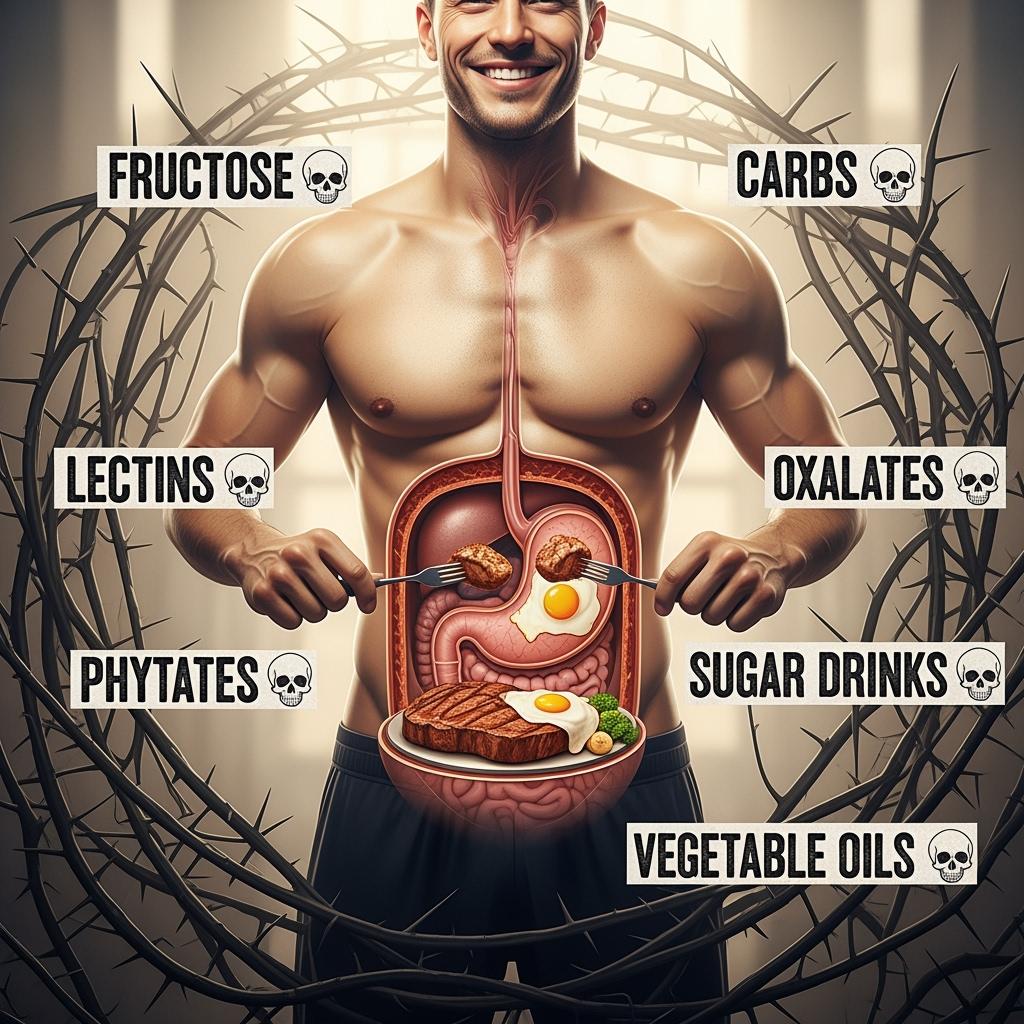



 Douglas Schorr
Leave a comment