
When your brain starves in a land of plenty
The early years are traumatic, but sadly nowadays, they’re often just a stepping stone to adolescent brain crisis. We’ve a silent epidemic on our hands.
Last month district school counsellors shared the same alarming pattern: skyrocketing mental health crises among teenagers who, on paper, have everything going for them. One described a 15-year-old student body president who collapsed during an assembly, later confessing she’d been battling debilitating anxiety for months. Another mentioned a star athlete who withdrew from sports and social life, his grades plummeting as depression took hold. A third spoke of a talented young musician who attempted suicide despite having a supportive family.
These stories represent possibly billions of young people worldwide whose brains are sending desperate distress signals. China, renown for its strict educational environment, recently introduced the Double Reduction Policy, which aimed to cut excessive homework and limit after-school tutoring to give kids more “own time.” Great, but society looks everywhere except at nutrition guidelines and dinner plates for answers.
The Unique Vulnerability of Adolescent Brains
Adolescence represents a critical period of brain development, second only to the first three years of life. During this time, the prefrontal cortex—responsible for emotional regulation, impulse control, and decision-making—undergoes extensive remodelling, making the teenage brain uniquely vulnerable.
This critical remodelling creates specific metabolic demands. The teenage brain requires omega-3 fatty acids to build neural connections, stable cholesterol for hormone signalling, complete proteins for neurotransmitter synthesis, and consistent energy without the fluctuations caused by high-carbohydrate diets.
For teenagers juggling academics, sports, and social development, nutritional needs are dramatically increased. For females, developing reproductive systems demands even greater resources. Yet most school cafeterias offer “health” bars, energy drinks, and processed carbohydrates—calories without the building blocks for optimal brain function.
The Triple Threat to Teen Mental Health
Modern teenage diets create a perfect storm of neurological challenges:
1. Adolescent Glucose Vulnerability
The teenage brain is uniquely sensitive to glucose fluctuations. Yale research shows adolescent brains have more pronounced stress responses to hypoglycemia than either children or adults. Standard diets create blood sugar roller coasters throughout the school day, triggering irritability, anxiety, and mood swings that spiral into depression.
Neuroimaging reveals teen brains experiencing blood sugar crashes show heightened amygdala activity (fear center) and reduced prefrontal cortex function (rational thinking)—creating emotional reactivity and poor decision-making.
2. Adolescent-Specific Gut-Brain Disruption
With 90% of serotonin produced in the gut, the adolescent gut-brain axis undergoes significant recalibration. Modern inflammatory diets disrupt this process when teenagers need it most.
A 2023 Journal of Adolescent Health study found teenagers with highest gut inflammation markers showed 74% more depression symptoms compared to those with lowest inflammation, independent of sleep, exercise, or family history.
3. Heightened Microglial Sensitivity
Adolescent brain immune cells are especially reactive, making teens vulnerable to inflammatory effects from processed foods and high-carb consumption.
The teenage sleep cycle naturally shifts later, but early school start times force waking before their brains are ready, driving carbohydrate cravings and worsening sleep quality.
When microglia become chronically activated, they prune synaptic connections excessively—dismantling the brain’s communication network. Harvard research showed inflammatory markers in depressed teenagers were 45% higher than in non-depressed peers, with diet quality being the strongest predictor.
Cultural Enablers
Teens socialize around processed, high-sugar foods more than any other age group. Despite reforms, school cafeterias offer foods that destabilize blood sugar and promote inflammation. Social media platforms flood teens with nutrition misinformation, promoting restrictive diets or “wellness” products that are essentially rebranded junk food.
At a teen mental health center, I observed “therapeutic” breakfasts of fruit juice, sugary cereal, low-fat milk, and gluten-free bread—feeding vulnerable brains the very inflammatory foods contributing to their conditions.
The Institutional Failure
Treatment plans focus exclusively on medication and therapy while ignoring the fundamental metabolic drivers—like treating burn victims while they remain in fire.
These institutions follow outdated nutritional guidelines based on incomplete understanding of how different stomachs work and how food affects the brain. Meanwhile, the food industry engineers products triggering dopamine pathways while providing minimal nutritional value.
When teenagers incorporate nutrient-dense animal foods, transformation can be remarkable. One high school basketball coach, frustrated with his team’s energy crashes, implemented protein-rich breakfasts and lunches. Players reported better focus, stamina, and mood stability. The team’s academic advisor noted fewer behavioral incidents, and several improved their grades significantly.
Team settings help overcome the challenge of peer influence. Many teens define themselves through food choices at precisely when parental control decreases but nutritional needs peak. Their heightened reward sensitivity makes processed foods particularly compelling.
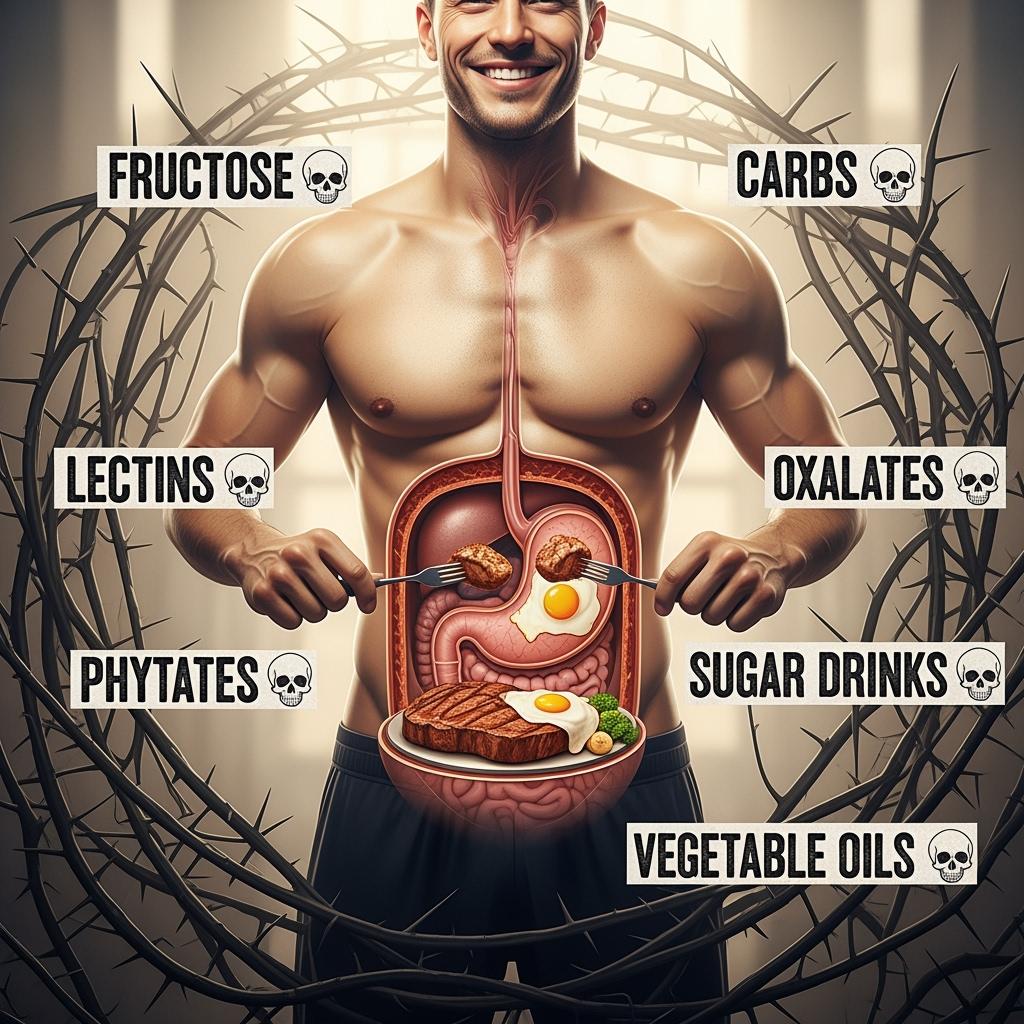
Navigate these challenges by respecting teenage psychology. Parents should start with addition, not subtraction—add protein and healthy fats before eliminating problematic foods.
The Vision of Possibility
How many teenagers have experienced a brain running on its preferred evolutionary fuel? When nutrition aligns with biology, mental capabilities flourish. Mornings bring clarity rather than fog. Learning becomes engaging rather than exhausting. Emotional resilience replaces fragility.
The evidence is compelling. A British Journal of Nutrition meta-analysis found adolescents following Western dietary patterns had 89% higher depression risk compared to those with traditional diets including adequate animal foods. Anthropological research shows traditional societies with animal-based diets have virtually no teenage depression or anxiety—conditions we’ve normalized.
Is it normal for teenagers to be depressed, anxious, and emotionally volatile? Or have we created an environment so at odds with their biological needs that we’ve pathologized a brain in distress?
Parents have done so much to give their children opportunities—we just missed this crucial piece: the proper fuel for the most complex organ in the universe at its most vulnerable developmental stage.
Knowing this is reason to beat the drum, to rally all citizens. It’s not a pharmaceutical miracle our children need, but the nutritional wisdom our ancestors took for granted. The teenage brain on animal fats is a marvel of nature—clear, focused, emotionally balanced, and creatively supercharged. The most beautiful world in the universe waits on them.






 Douglas Schorr
Leave a comment