
We’re medicating symptoms created by our forks—the generational brain crisis we can still reverse.
Ten years ago, I was terrified by what was happening to my mind—until I went carnivore, embracing our ancestral lifestyle of fuelling up with meat, fat, and eggs, updated with real butter.
I was so frightened that I contemplated not just where and how, but mostly when to end my life because you still need enough “mind” left to plan such things! I hated the thought of deteriorating as my once vibrant neighbour, now ravaged by dementia, had. But today’s children face a challenge I never did: many start life with their neural wiring already compromised.
What makes their situation truly horrifying is they believe their suffering is normal. These children don’t realize that humans have always shared the same biological blueprint—what’s changed is how our genes express themselves based on what we eat. I wonder, do they look at their grandparents and wonder how they’ll survive 70 years of mental hell? When symptoms appear, an army of intervention specialists, from family doctors to psychologists, label and medicate behaviors that in previous generations were either absent or simply part of growing up. Inevitably they go home on medication and clutching a Standard American Diet sheet—perpetuating the very nutritional deficiencies driving their brain dysfunction in the first place.
The apparent contradiction—how can diet-related conditions exist at birth?—evaporates when we understand nutrition’s cross-generational impacts. If we haven’t forgotten about the fuel needed for growing brains, we’ve certainly pushed it aside.
Young parents are bombarded with advice about creating the perfect prenatal environment—classical music, stress management, and avoiding the big 3: alcohol, tobacco and drugs. Yet bizarrely, little is said about the most fundamental need: properly fuelling the engine that feeds the developing fetus. What if Mom’s nutritional power plant, like South Africa’s notorious Eskom stations, produces more toxic smoke than clean energy?
Brain development begins at conception, not birth, and is profoundly shaped by maternal nutrition. Recent studies show maternal insulin resistance during pregnancy alters fetal brain development, particularly in regions controlling executive function and impulse control—precisely the areas implicated in ADHD. Why is anyone surprised? This makes perfect evolutionary sense.
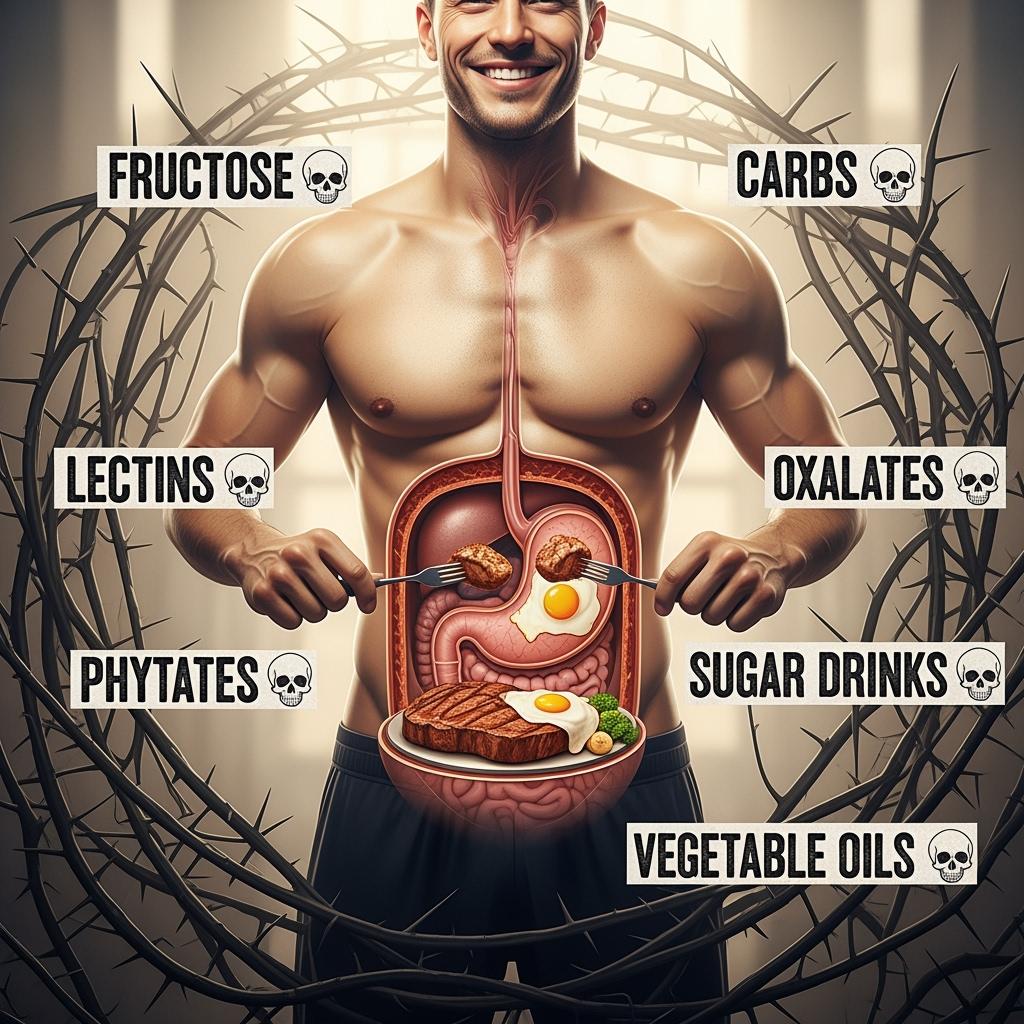
For millions of years, human mothers consumed diets rich in animal fats and proteins, providing developing brains with essential fatty acids, cholesterol, and micronutrients needed for optimal neural architecture. Today’s maternal diet—loaded with processed carbs, inflammatory seed oils, and plant antinutrients—creates a fundamentally different developmental environment. We were told that the Mothers Evolution and Nature, who have guided life on earth for billions of years, are wrong, that because we are independent decision-making humans, we should follow the advice of 2000-year-old religions and governments that believe in Big Business.
And we still agreed with them even when it is universally acknowledged that fetal brains are built from maternal dietary fat. What’s been hidden from us is that when that fat comes from unstable seed oils rather than stable animal fats, we’re constructing neural networks from substandard materials—like building a supercomputer with melting plastic components.
The evidence is damning. A 2024 University of Oxford study found children born to mothers with the highest omega-6 to omega-3 ratios (common in diets high in vegetable oils and low in animal fats) had a 3.2-fold increased risk of autism spectrum disorder compared to those with balanced fatty acid profiles. And it goes back much further—your great-grandmother’s diet is (helping) program your brain.
Remember our epigenetic inheritance—our DNA carries the shadow of our ancestors’ diets. Epigenetics shows every bite flips gene switches, affecting not just individuals but future generations. Emerging research suggests poor dietary effects aren’t limited to one lifetime but are inherited through epigenetic modifications.
A 2023 Cell Metabolism study demonstrated male mice fed high-sugar diets produced offspring with significant alterations in genes controlling brain development and glucose metabolism, despite these offspring never consuming sugar themselves. The mechanism? Epigenetic modifications to sperm DNA that persisted through fertilization.
In humans, The Dutch Hunger Winter study tracked children born to mothers who experienced famine during World War II. Not only did these individuals show increased rates of metabolic disorders, but their children—a generation removed from the actual famine—showed similar patterns of metabolic dysregulation and higher rates of neurological issues.
We’re experiencing the accumulated impact of three to four generations of progressively worsening nutrition. Children born today inherit not just their parents’ genes but the epigenetic modifications from dietary insults accumulated since the industrial food revolution began. Where you were born and into which community following what beliefs or local conditions dictates the magnitude of your exposure. Oddly enough, the Southern African black African and the older families of the United States have had more or less the same amount of time under the weight of a poor-for-humans diet. Both began to dabble seriously in grains and greens in the late 1800s. By 1920-ish the black Southern African was consuming mostly maize meal for as many of the breakfast, lunch and supper meals as they could afford. 2025 – 1920 makes it 4 grandparents’ worth of shovelling in poor-quality fuel!
When I review how compromised my mature brain became after just 30 years on the Standard American Diet, the battles modern children face come as no surprise. A few years ago, I’d simply sympathize with parent and child, but now I know we’ve been subtly led into the greatest con ever devised.
The reality is stark but hopeful: these children aren’t broken—they’re malnourished from conception. And what malnutrition does, proper nutrition can often undo. In Part 2, we’ll explore how modern diets are driving the explosion in childhood neurological disorders and the revolutionary dietary interventions that are changing lives.






 Douglas Schorr
Leave a comment