
Only humans elevate friendship to a virtue. When severed from reality, virtue toxifies as those it is supposed to help putrefy.
Once paved with the gold of life-empowering jobs, South Africa has spent the last 30 years returning that gold to Mother Earth. The guardians of independence now insist that, as in the days of the Xhosa and Zulu kings, there WILL be equality of outcomes for all warriors and homemakers alike.
Noble in theory—catastrophic in practice. The South African economy needed to transform from hunting-your-neighbour-for-food to making-something-useful-to-trade. It plodded along under colonial strategies, but soon the era of friend networks was ushered in. The result? Jobs vanished—paradoxically at about the same rate as babies were born. Now 60% of South Africans barely survive. When the unfriendly banks call in overdrafts, another 15% could join them.
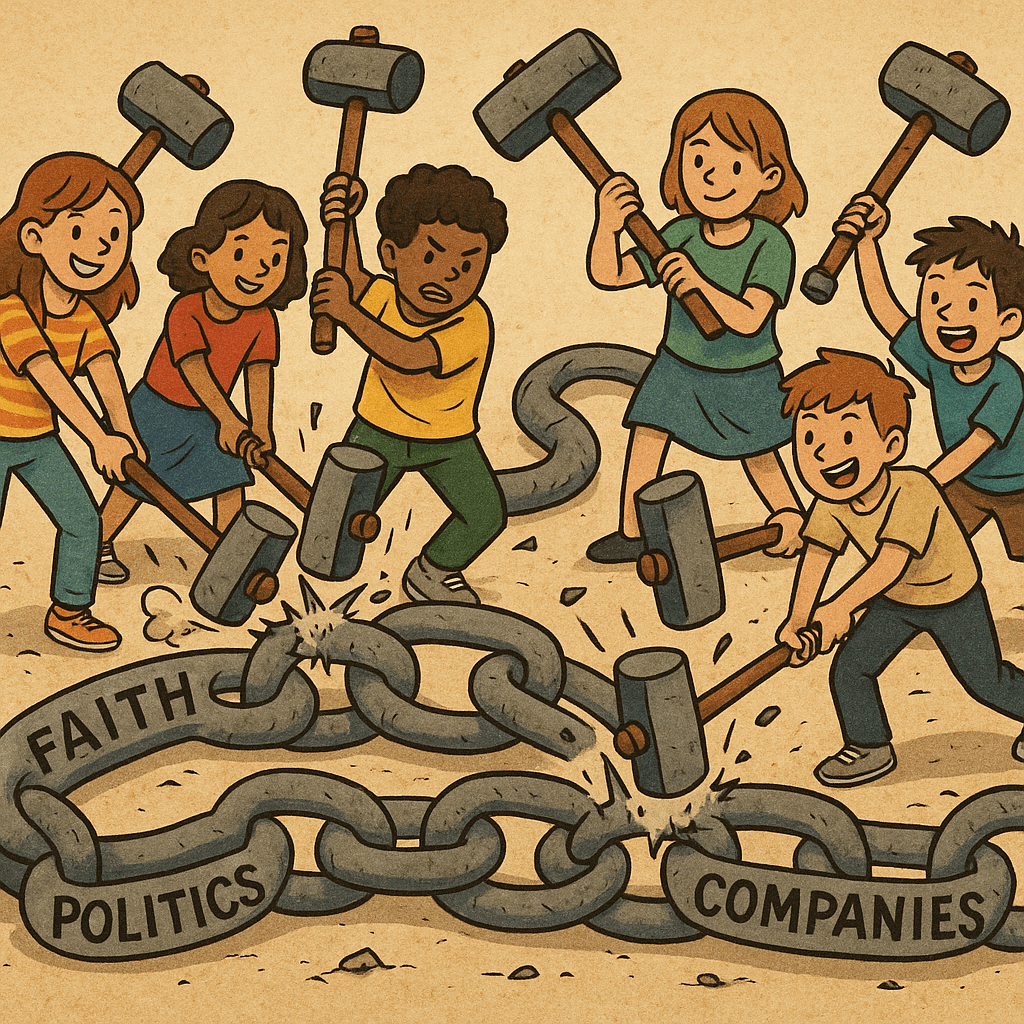
The architects of this disaster—the ANC and its MK and EFF spawn that replaced the kings—remain blind to the deterioration. Their vision is obscured by the distorting lens of friendship, or as they nostalgically call it with a nod to what both China and Russia discarded 35 years ago, “cadre deployment.”
History confirms human success requires collective effort—but it’s a family affair, not a friends’ club. Prioritizing friendship sounds admirable, but cadre relationships—processed like canned, sugared corn—operate by different rules. Statistics clearly show that accountability balances affection in families, and the worst betrayals—murder, assault, partner manipulation, child abuse, rape, theft, and fraud—most frequently occur between trusted acquaintances.
In government, cadres view positions as entitlements rather than responsibilities. “Why upset a friend?” becomes the mantra that renders performance irrelevant. Truth becomes flexible, first bent to preserve harmony, then twisted into elaborate cover-ups. Their “original thinking” goes not into solutions but into crafting identical narratives—cooked in a central kitchen for public consumption—explaining why things are working and where the money went.
When criticized, these friends transform into liabilities—sabotaging progress, retreating into inaction, or plotting revenge. They fixate on calculating advancement rather than producing results, constantly eyeing colleagues’ positions while neglecting their own. Most destructively, relationship strength trumps skill, talent, education, and professionalism—precisely the qualities South Africa desperately lacks.
Political parties have become refuges for those who couldn’t compete in the private sector. And it pays: making the Member of Parliament list is a monthly lottery win compared to the 60%. Meanwhile, the few competent government officials waste precious time managing these dysfunctional dynamics while subordinates, themselves struggling under the tribute-for-friendship system, starve for guidance on improving performance.
In government—and because of BEE imposed on business and the welfare system on taxpayers—costs disperse through the system. This dysfunction appears manageable until the tipping point arrives. SA will collapse quicker than the Congo or Mozambique did.
There is a way forward—a two-step process:
First, scrap democracy à la Western mythology. Eliminate party politics. Dissolve parliament and provincial assemblies. Elect a Commander-in-Chief—an enlightened Shaka—and require he appoint the best business minds to the cabinet. Install business generals to manage provinces with entrepreneurial colonels running the 400 municipalities, the courts, welfare, etc., below them. Let real democracy seed at the grassroots, as genuine community upliftment always follows in the footsteps of millions of King Rats.
Impossible? In South Africa, probably. Without Ms. Zelie, not even the supposedly smart Democratic Alliance comprehends. The ANC can’t abandon its party-based patronage system—they’d have to mix with the 60%! Yet to halt further economic collapse, parties, friends, and loyalty networks must go.
South Africa must at least adopt the ways that transformed Eurasia from warring tribes into flourishing, interdependent nations: employ the best available strangers and give clear instructions of what’s to be done.
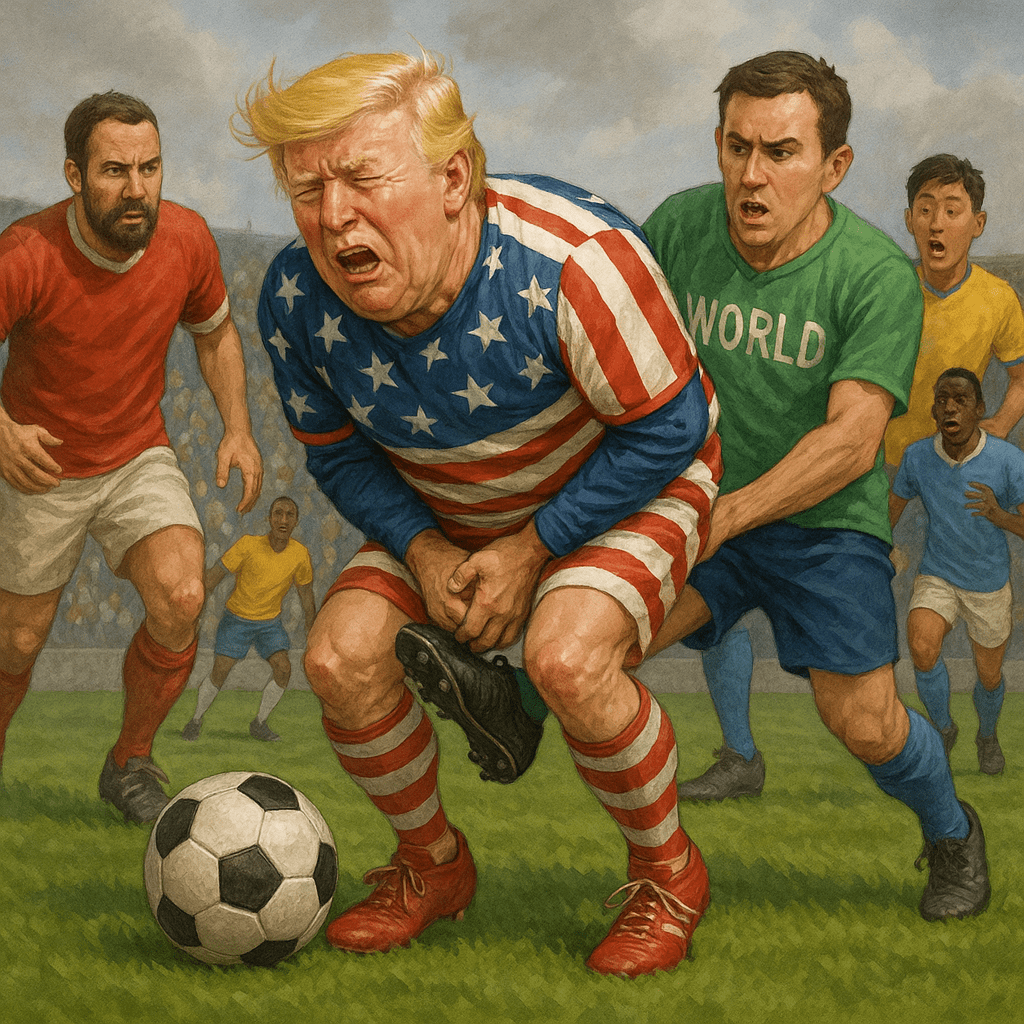
It seems counterintuitive, but collectives of strangers successfully grow modern societies. They ignore “Us and Them” barriers to focus on mutual benefit: “Perhaps you have something I need, and I have something you need.” Business succeeds when it appoints taskmasters based on capabilities, not connections. President Xi wasn’t chosen because he’s likable but because he could coordinate national planning effectively. Trump wasn’t elected for friendship—and once he stops his tantrums, there may be global hope.
Profit ensures a business can legitimately open the next day, but within that requirement lies the real question: What serves people better—a meagre welfare payment creating dependency or a tough, low-paying job teaching skills, offering promotion potential, and conferring dignity? What’s more valuable—a hollow certificate earned through memorization with lower pass requirements or practical skills navigating real-world challenges?
Successful administrations thrive with “strangers” who make better stewards of both public and private institutions. Unburdened by personal entanglements, they maintain mission focus rather than relationship maintenance. They demonstrate loyalty to position objectives, not people. They view their pay as a performance review. When hard facts or tough decisions are required, these “enemies of friends” excel because their interest lies in solving problems, ensuring accuracy, and earning their compensation—not currying favour.
Even reformed adversaries outperform friends, driven to prove their worth through results rather than loyalty. History shows that, given the chance, “enemies” work harder, deliver more, and are less likely to coast on connections or engage in conspiracies.
South Africa stands at the precipice. Of all sub-Saharan countries, it has fallen furthest from its peak. The post-separate development black elite wove a system valuing superiority through loyalty networks rather than effective governance. Approximately 80% find themselves excluded, and for over 60%, the party playground has utterly failed them.
Challenge the system, and the battleground shifts to High Courts, where economy-damaging legislation finds support through party-serving actions. Even the constitution’s emphasis on rights over duties merely promotes friends over productivity.
Ramaphosa is the latest ANC cadre to reach deep into the country’s chest to extract its beating heart. As joblessness fuels mounting anger, the political elite responds with historical revisionism: “We were happier as tribespeople. Under Shaka Zulu there were only equal outcomes—you were a warrior or producer of children or dead.”





 Douglas Schorr
Leave a comment