Votes are worthless—strikes work.
How many remember Morgan Tsvangirai of Zimbabwe?
He started the Movement for Democratic Change (MDC) to oppose the world’s most loved president, Robert Mugabe. Although most of the country knew that Mugabe and his policies had to go, Tsvangirai was one of a handful who said it openly.
His truths resonated with so many that when he called for a national general strike in 2003, the response was overwhelming, unprecedented. Those in the know predicted that the planned 3 days would collapse the Zimbabwean economy and Mugabe into nowhere land.
Unlike an election, the strike offered everyone—from the poorest rural folk to the smartest business leaders—the opportunity to truly vote anonymously, relatively safe from the president’s men.
The whole country was in a state of excitement when, inexplicably, Tsvangirai called it off. No one knows why. Though he went on to lead in the government of national unity, he never again commanded the absolute following he had built. Zimbabwe remains ruled by “a” Mugabe.
A similar situation was brewing in South Africa at the same time over the question of the rise in farm murders. Mbeki’s presidency was proving to be one of fine public speeches and endless cabinet room negotiations, negotiating promises of new promises.
It wasn’t exactly that Mbeki didn’t want to act, but rather that he lacked the capacity. He knew that if he pushed his men, they’d, as his cabinet was itself doing, make fools of themselves. Neither was it that South Africa’s non-black communities weren’t as committed as Zimbabweans had been, but rather that being 98% urbanized for almost 100 years, they’d forgotten how difficult and isolated farming in South Africa truly is. There was no AfriForum saying, “hey, look!” and so the average high-performing South African viewed the plight of farmers back in 2003 as something that should be handled through routine government action.
Had there been a Tsvangirai-style action just 20 years ago, South Africa would look very different today. Had the country supported a call for farmers (black and white) to withdraw their services, challenging the ANC to produce the food needed for the table and for exports, everything would have changed.
Today, only Rugby South Africa functions on all cylinders. In every other business and social arena, today’s politicians have simply upgraded Mbeki’s pie-in-the-sky aspirations of labourers becoming Eskom techs, techs surgeons, and brain surgeons pilots for SAA. Even as the economy collapses, three major shifts are happening:
Daily more blacks are in desperate need of financial support, but the taxpayer base is eroding as skilled workers, predominantly non-black, leave the country. The raw numbers of those leaving may not seem large, but as a percentage of the small pool of highly skilled people, it’s massive—totally unaffordable. Even King Shaka Zulu knew he needed skilled generals to effectively direct his armies in their economy-boosting plunder sorties on other South Africans.
2025—about 25 million South Africans scream for help. The ANC responds, “Shh, we are busy raising VAT and taking farms.” 75% need structured support and guidance to perform adequately in a modern economy, and the ANC’s response is essentially, “Teach yourself. After all, it’s not that long ago that you were a very competent warrior.”
If there was ever a time to follow Morgan Tsvangirai’s strategy, it is now.
Just for a Monday-to-Friday, stay home. In the corridors of Black nationalism, there spreads a nation-killing virus that makes Covid cheap.
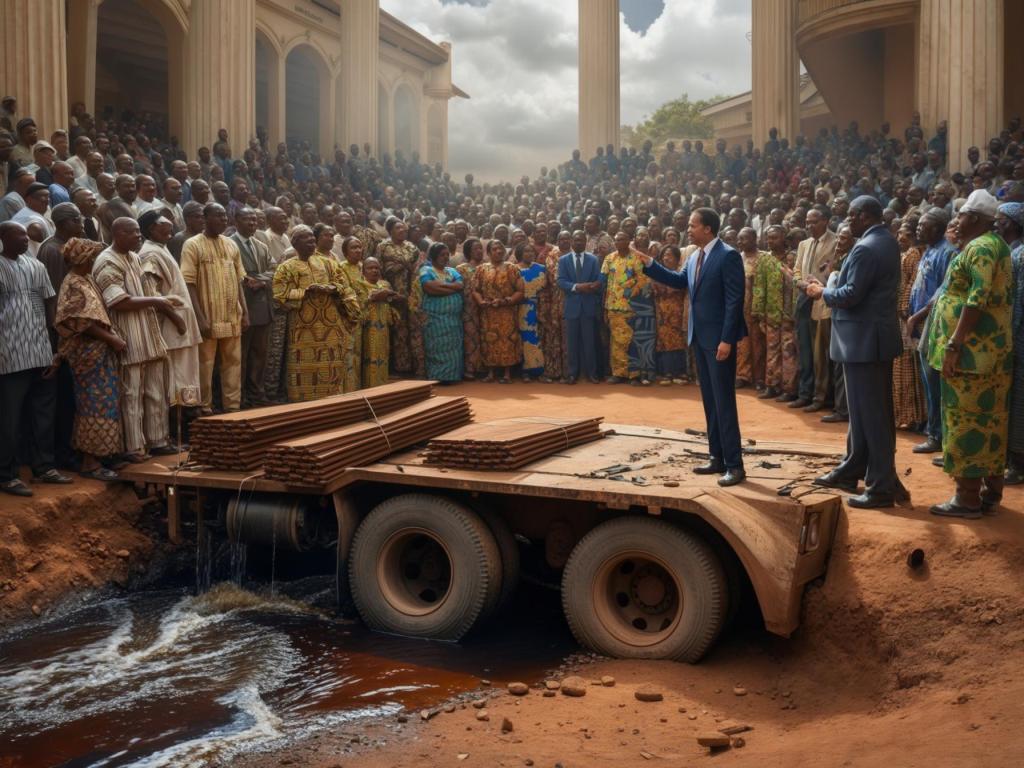
If only the street could prevail. The shortage of leaders to lessen the blow of the shortage of skills is generally understood. The educators were willing, and learners are responsive and grateful. Mostly, South Africans of all levels in all environments get along well, often better than in most other countries. The problem lies with those wonderful negotiators who sit in parliament, handing out rights while negotiating how to change the four flat tyres on the national truck.






 Douglas Schorr
Leave a comment