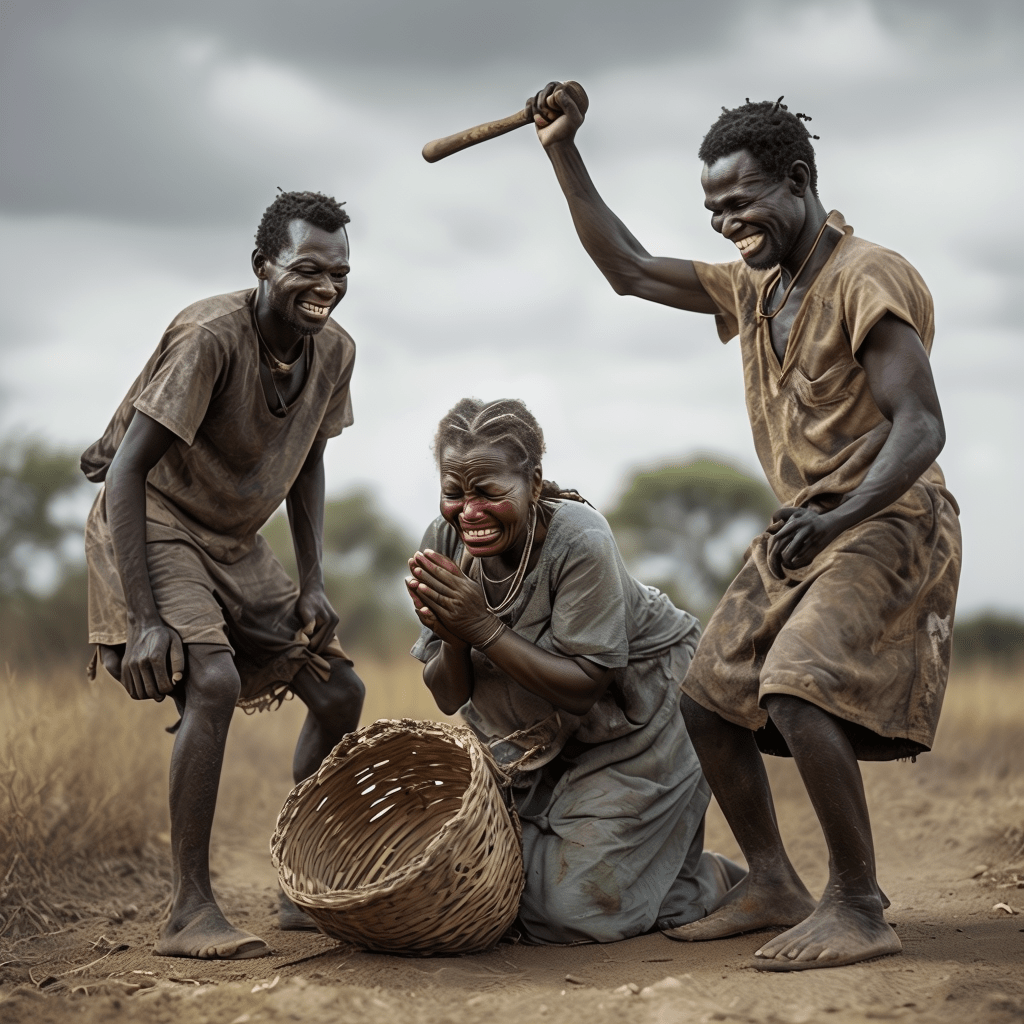
A millennium’s journey forced into one century: the hidden truth about South Africa’s failed transition that challenges everything you thought you knew.
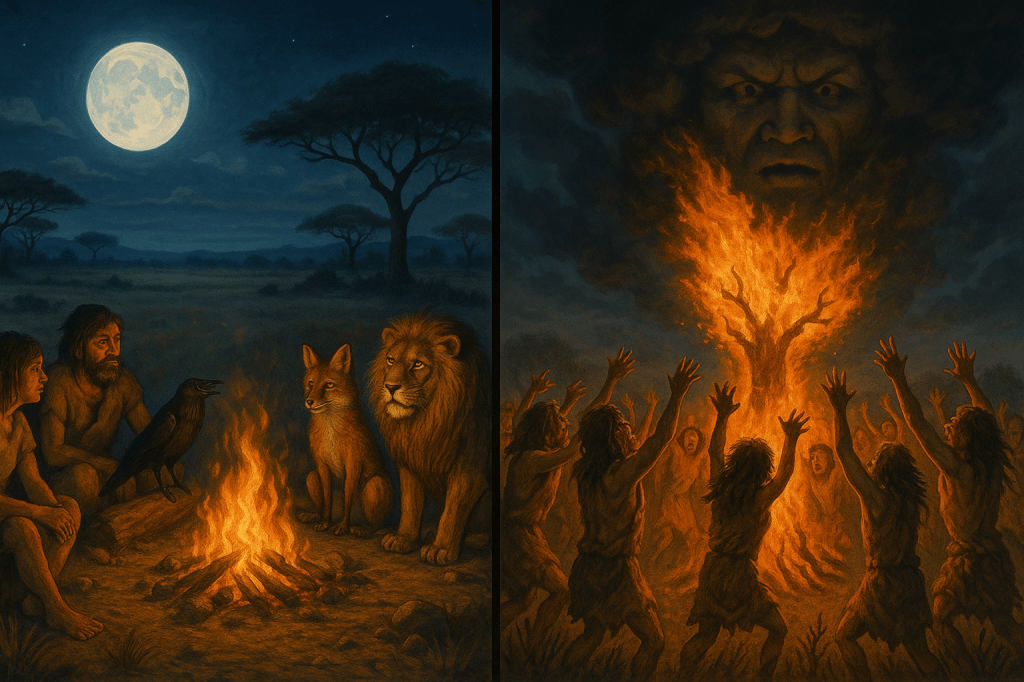
The psyche of black South African men was shaped by centuries of tribal warfare, dating back to when their ancestors crossed the Limpopo 800-1000 years ago. Like the Eurasians of 1,500 years past during their own development, fighting for survival became deeply ingrained. Modern economic systems have only influenced this ancestral programming for less than a century.
This cultural heritage might have been navigated, but a more insidious narrative took hold. Government leaders were seduced by whispers that their people deserved better than “menial” jobs—those basic, essential positions that historically provided the first rungs on the economic ladder. Rather than create these fundamental opportunities, the government dismissed them entirely.
Meanwhile, South African women, traditionally the backbone of family and community, possessed basic, upgradable skills honed through generations of childrearing and maintaining extended family networks. Instead of providing training to bridge the gap between traditional and modern economies, the ANC’s policies made them too expensive to employ as trainees.
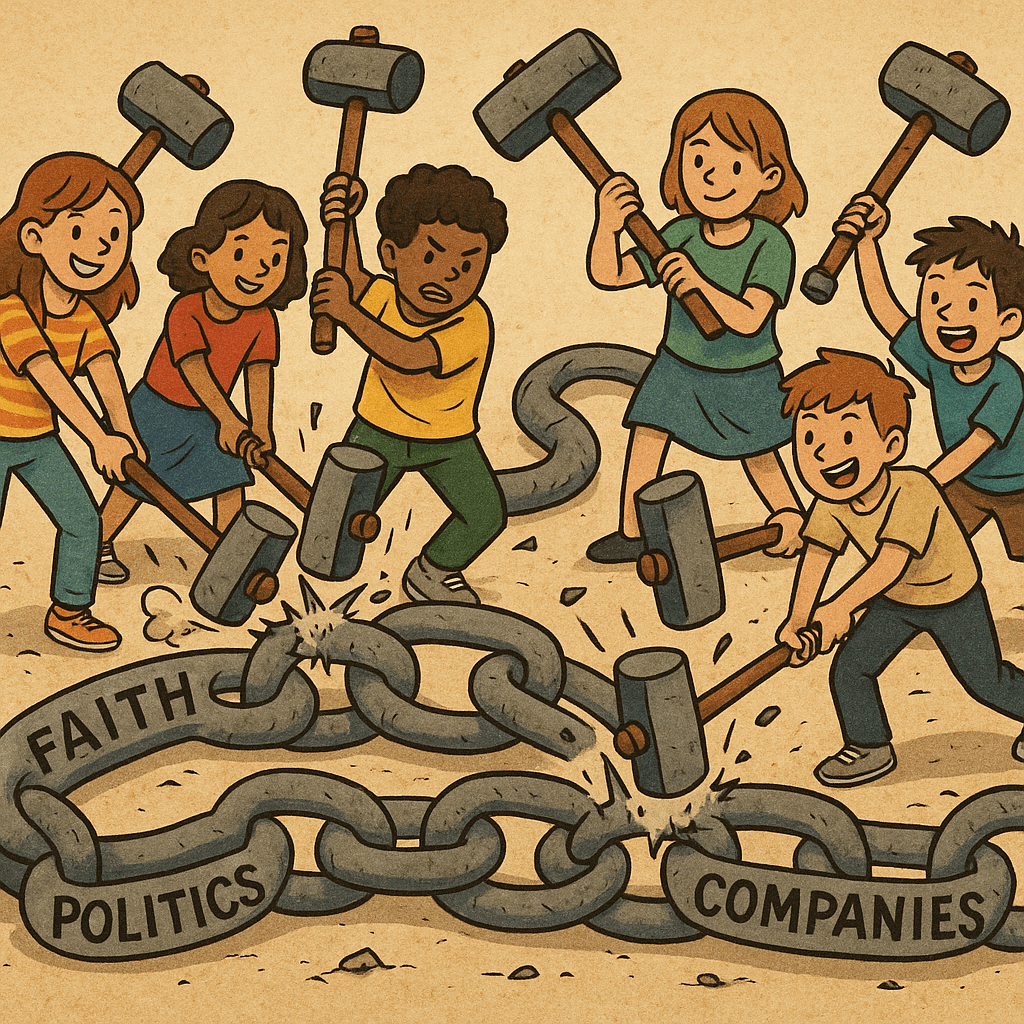
Every society must travel its own path to development, but wisdom lies in learning from those who walked similar roads. The question “How did you do it over in Eurasia?” was never asked. Instead, South Africa adopted the cry “I CAN’T because of YOU!” The worldwide “woke” movement reinforced this narrative, painting every black South African as a victim of immigrant settlers who supposedly failed to transform ninth-century tribal societies into nineteenth-century industrial ones overnight.
Now, less than a century from traditional village life, and after 30 years of independence, South Africa desperately needs SANNA (SA New National Army), a proposed national community development organization. But the overseas media and social commentators who helped craft the victim narrative are nowhere to be found when solutions are needed. Any recovery must come from within.
The chances are slim. South Africa’s multi-party system has evolved into a “Party, Party, Party” culture, eliminating accountability from parliament to the banks of the Limpopo. Without accountability, sustainable change remains elusive.





 Douglas Schorr
Leave a comment