
Leading Grandmothers
Grandmothers, not ANC comrades, picked up the pieces.
There’s nothing unusual about mothers from lower middle and lower classes leaving their children with grandmothers during periods of explosive growth and accelerated urbanization. Opportunities to earn more had to be seized. Southern Africa was different because of the high incidence of crippling diseases, crime, and the many byproducts of a corrupt and bankrupt society. It’s a book-length topic on its own. Suffice to say, for the lower classes, being hospitalized or involved in a police investigation—even as a witness—means losing many months or even years of your life to systemic incompetence, plus paying costs you definitely cannot afford.
Huge numbers of grandmothers had no option but to devote their twilight years to serving their families. Where grandmothers were scarce, the sacrifice fell upon the next eldest sisters and, in too many cases, the eldest daughters. Though the tribal system remained visible—huts, a few head of stock, tiny patches ready for maize seeds, and half a dozen women with buckets balanced on their heads walking to fetch water—it was broken.
Blame the Guptas!
They didn’t help grandma but they sure heaped blame on the brothers!
The Gupta brothers, Ajay, Atul, and Rajesh, entered South Africa in the early 1990s. Within a year or so they established Sahara Computers, which, it seems, was a great success. But this was just the beginning.
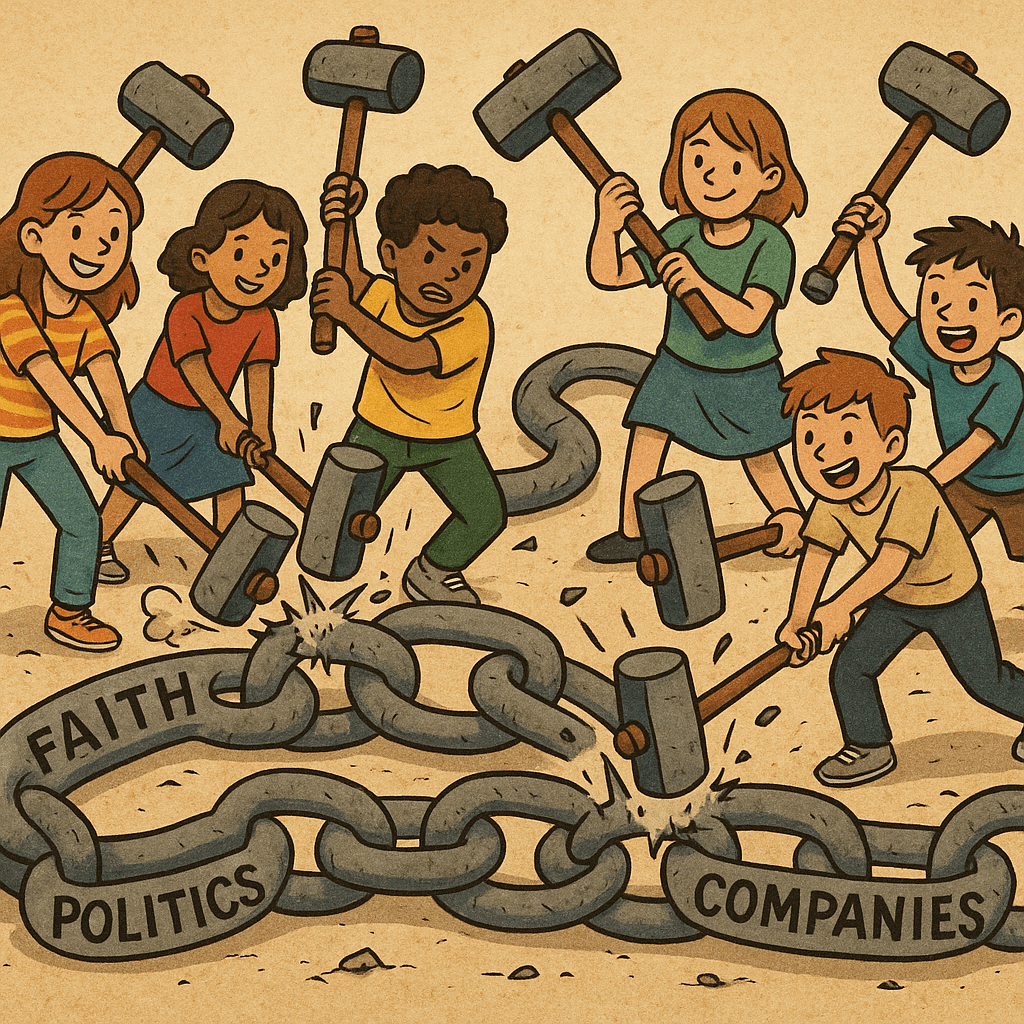
The mainstream narrative would have us believe that the three single-handedly orchestrated South Africa’s state capture, as if they possessed some mystical power over the entire government apparatus. This convenient storytelling absolves countless willing participants of their own agency and responsibility. The reality is far more mundane: they simply presented an opportunity that a vast network of opportunists – from party members and government officials to European business executives, local entrepreneurs to international corporations—eagerly seized upon. They became the perfect scapegoats for a system of corruption that many were only too happy to participate in.
Sure, they played their part in state capture, but they were more like convenient facilitators than masterminds. Their connection to Jacob Zuma opened doors, but those doors were enthusiastically thrown wide by people at every level of government and business who saw a chance to enrich themselves while maintaining plausible deniability. “The Guptas made me do it” became the perfect excuse for what was, in reality, a willing feast of corruption where many helped themselves to the state’s resources. Oh, how easily institutional safeguards can be undermined when enough people see personal profit in looking the other way.
When you make someone so comfortable in your house that they have greater access to every room and to all persons in those rooms, and to the liquor cabinet and the fridge in the kitchen than your own family, they’ve been invited. That the brothers haven’t raised this defence shows they aren’t geniuses. Local help must have been overwhelming.






 Douglas Schorr
Leave a comment