“Turning the Free State’s Serengeti into a maize bowl destroyed South Africa’s greatest asset—its people. It can be repaired.”
Thirty years ago, Uncle Jim finally hung up his stethoscope. He’d delayed retirement for a decade, searching for a project that would satisfy his environmentalist’s heart. The answer came when a like-minded patient handed over an inheritance he couldn’t manage—two hectares of badly abused land a kilometer outside their rural English village.
Jim’s approach was simple. He cleared the stream of rubbish, removed invasive species, and fought back “bad stuff” that had gained an unfair foothold. But mostly, in a Godly way, he let the land heal itself. And heal it did. Beautiful indigenous bush, grasses, and flowers returned. First came the insects, heralded by bees and butterflies, then the birds. Daily, it seemed, another small creature of the English countryside found its way home.
Lying on my back there, peering into the stars, I’d muse about nature’s power to heal. I wondered was there a chance for a second life for a place right in the center of South Africa that had once been home to millions of animals -the Free State.
The first humans running about that vast expanse were the few, small and isolated families of the Khoi and San. They took no more than they needed and had no idea what a plough was. In the early 1800s the Afrikaner began arriving in their ox-carts. They hardly disturbed the beautiful land. Although “Boer” means farmer in English, they weren’t that sort of farmer. They wouldn’t know a plough if they saw one. I think of them as modern hunter-gatherers with their own stock. Like Uncle Jim but with opposing reasons, when maize made its appearance in around 1860, they rejected it, labelling it the “food of unbelievers.” Oops – come the 1930s, they were its biggest planters.
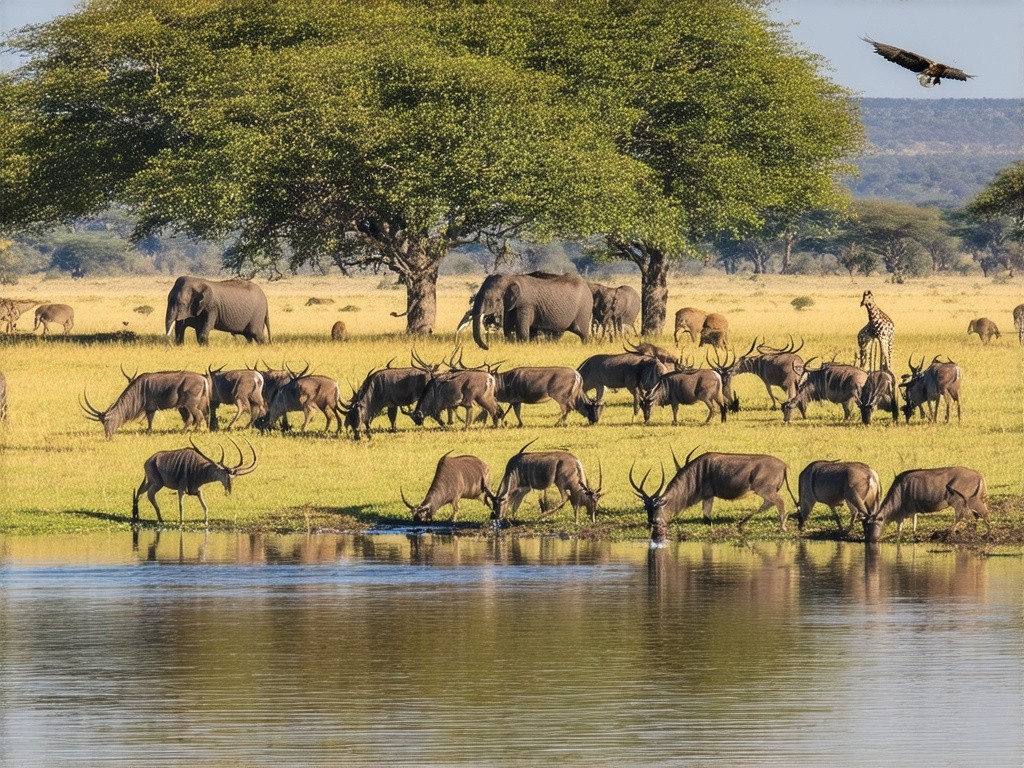
Before we go there, I must explain that up until 100 years ago, the Free State hosted a complete African ecosystem. Think of Tanzania’s Serengeti: famous for its vast savannahs, diverse wildlife, and spectacular animal migrations. In 2019 alone, the Serengeti’s national parks generated almost USD 130 million while creating jobs, supporting small businesses, and attracting international researchers.
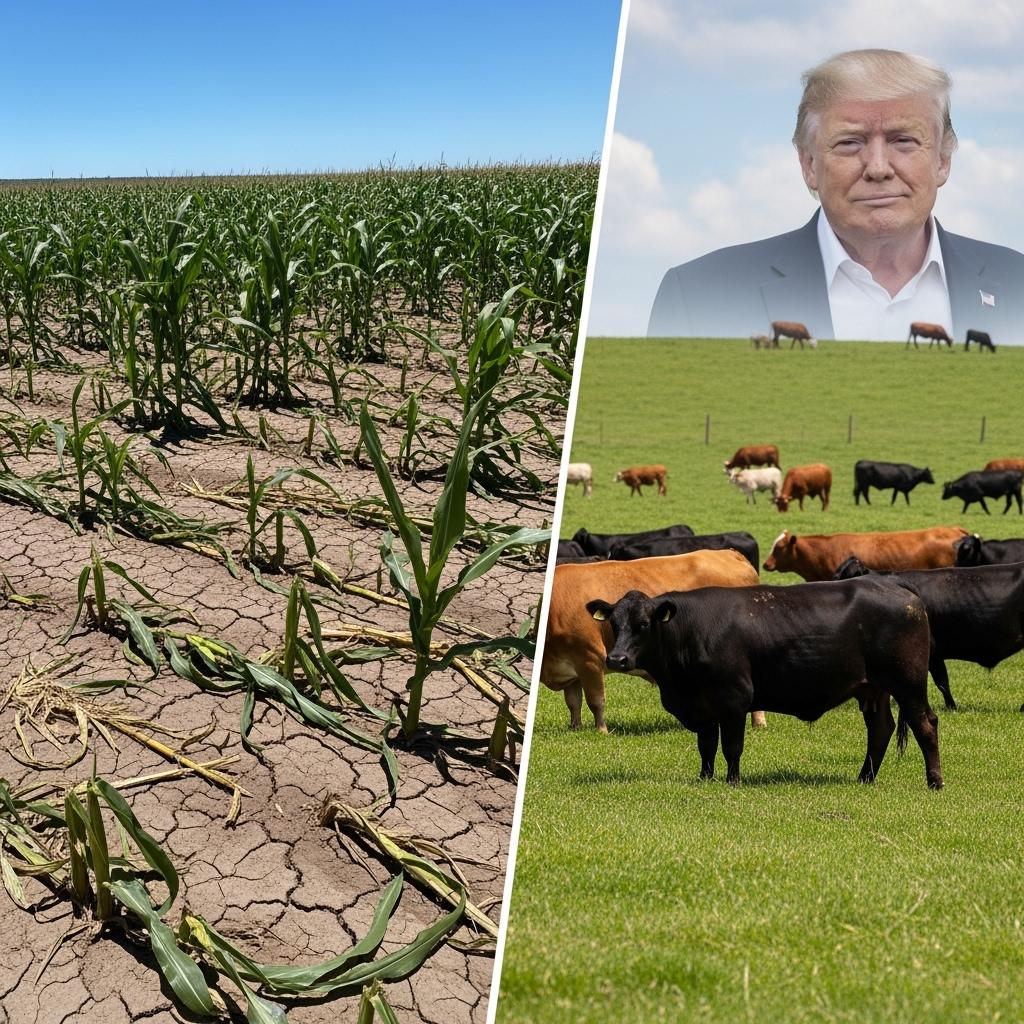
Twenty-five years ago I did a “get-to-know-my-country” round trip. Over strong coffee and cream, elderly Free Staters painted pictures of the land they knew as a mini Serengeti. I had to stretch my imagination – the torn, dry, and dusty lands with broken maize stalks I saw were light years from their descriptions of vast herds and accompanying predators, trampled grassy plains, interspersed with low hills and rocky outcrops.
First came the slaughter. After the Union of South Africa opened its doors in 1910, the Free State, “already famous for its game, drew safaris aplenty,” said Uncle Piet. Short stories from the 1920s and ’30s tell of game so plentiful and clients so blasé that after a single tour, many hundreds of animals lay where they’d fallen even as the parties continued.
And then there were none. What remained was this bland, neutral statement: “The agricultural potential of the grasslands played a significant role in the settlement and development of the Orange Free State. The fertile soils supported cattle ranching and cultivation of crops such as maize and wheat, contributing to the region’s economic prosperity.”
Translation: Travel through the Free State when maize is green, or dust will choke you. Yet governments celebrate because the Free State produces almost half of South Africa’s maize, supposedly ensuring food security.
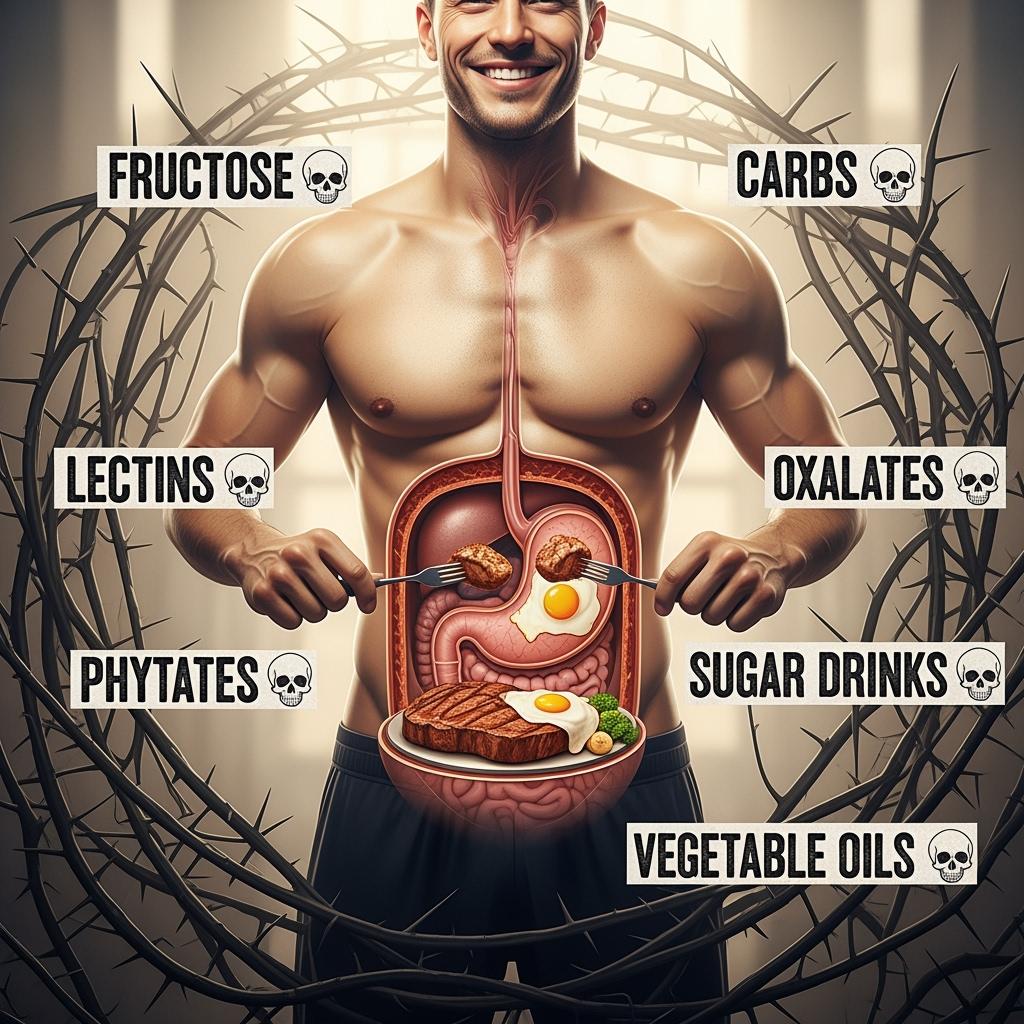
This thinking is catastrophically wrong. Every annual rip of the soil of what were, just 90 years ago, well-rooted grasslands brings forward the opening of a grave for a South African. R.I.P. South Africa. Maize isn’t for us. That we must eat is true, but our stomachs are fiery predator stomachs. They are meat into energy processing factories.
For the reasons I advance in “Beautiful No More: Zimbabwe’s Hidden Crisis on Show,” black South Africans particularly are in the fast lane for crippling chronic metabolic disorders. Black South Africans because they’re into their 3rd generation of sabotaging their stomachs. What are enthusiastically described as “diseases of the elderly” are “diseases of longterm carbohydrate, sugar, fruit and vegetable” use – substance dependency.
In a tragic irony, advocates of equal outcomes have gotten their way. South Africa, the most advanced of all, competes for a top placing in the Sub-Saharan Nations’ “Least Healthy” cup. But there is hope—proved by Jim’s two hectares.
Although he is permanently at the center of his life project now, Africa’s own Dr. Allan Savory continues his work. His successes in inhospitable Northwestern Zimbabwe and in the US have shown if we brought the animals back—lots of them, the land will heal. Like the Serengeti, great herds will trample what remains, fertilize it naturally, and move on. As they pass, grasses will return, taking in CO2 and minerals, sending them into the soil. Slowly, the land’s carrying capacity will improve, and we can begin harvesting animal products to restore South Africans’ health.
A mini Serengeti can do that? “Mini” is my error. When those old-timers sang about growing up in the Free State, I forgot those conversations had taken place a hundred or more kilometers apart.
Few realize the Free State’s true scale—eight times larger than the Serengeti National Park. Though cities like Bloemfontein, Welkom, Botshabelo, and Kroonstad dot its expanse, 90% of these massive plains still await their chance at resurrection. There lies the battered, bruised, sleeping giant that could fuel the nation’s recovery.


 Douglas Schorr
Leave a comment